7 Simple Steps to Calibrate Seed Spreaders
The smell of damp earth and the firm turgor of a healthy leaf signify a successful planting season. Precision in the early stages of turf or forage establishment prevents the uneven growth patterns that invite opportunistic weeds. To achieve uniform distribution, mastering the steps to calibrate seed spreaders is a fundamental requirement for any serious land manager. Miscalculation leads to nutrient leaching or stunted development due to overcrowding. You must ensure that every square foot of the rhizosphere receives the exact mass of seed required for optimal density. Proper calibration bridges the gap between theoretical application rates and the physical reality of your specific equipment and terrain.
Materials:
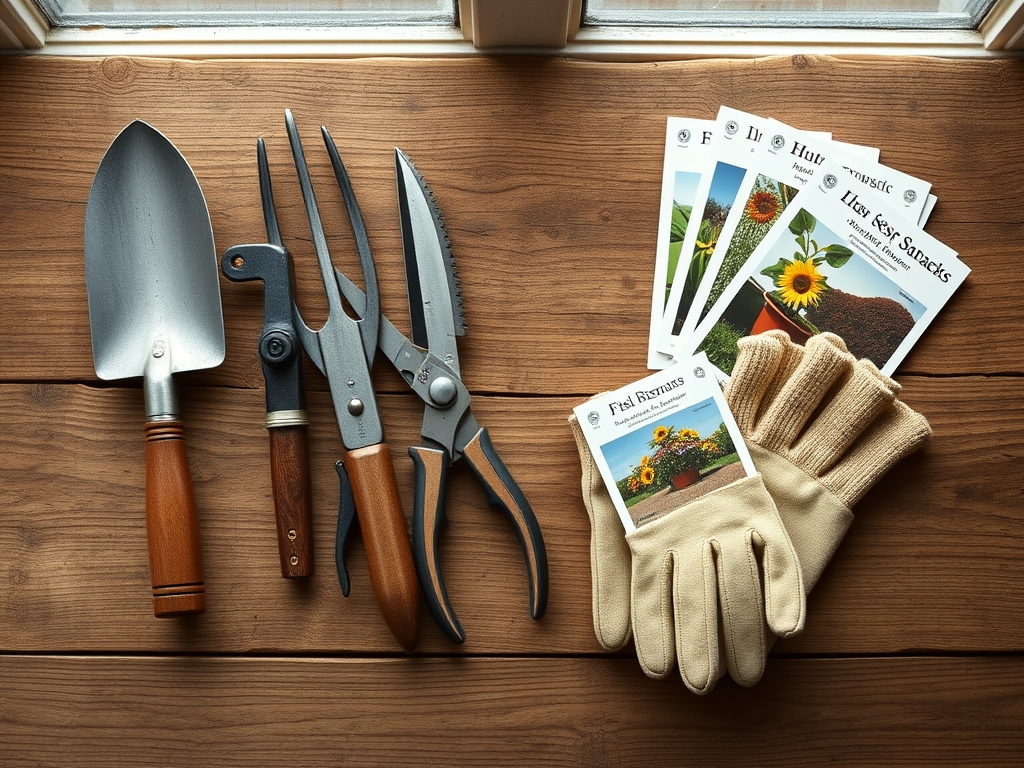
Success begins with the substrate. For most cool-season grasses, a **pH range of 6.2 to 7.0** is required to maximize the Cation Exchange Capacity (CEC). This allows the soil to hold and release essential nutrients like calcium and magnesium. Before seeding, ensure the soil is a **friable loam**, characterized by a balance of sand, silt, and clay that resists compaction. If your soil test indicates a deficiency, incorporate a starter fertilizer with an NPK ratio of **10-18-10**. The high phosphorus content supports rapid root development during the initial germination phase. You will also need a digital scale capable of measuring in grams, a collection tarp or catch pan, a tape measure, and the specific seed lot intended for the site.
Timing:
Timing is dictated by the Hardiness Zone and the biological clock of the species. In Zones 4 through 7, the primary window for seeding occurs when soil temperatures consistently reach 55 to 65 degrees Fahrenheit. This usually aligns with late summer or early autumn, roughly 45 days before the first frost. During this period, the plant transitions from rapid vegetative growth to root fortification. Sowing during this window utilizes the decreasing photoperiod to discourage excessive top growth while encouraging a robust root system before winter senescence. In southern Zones 8 through 10, spring seeding is more common for warm-season varieties, provided the risk of a late freeze has passed and soil moisture remains consistent.
Phases:
### Sowing
The first phase involves calculating the effective swath width of your spreader. Fill the hopper with a known weight of seed and operate it over a paved surface to measure the throw distance. For a broadcast spreader, the density is highest at the center and tapers off. You must account for this by overlapping passes. Set the flow gate to a conservative opening and run a test strip of **100 linear feet**.
Pro-Tip: Always calibrate for the specific seed size and weight. Biological Why: Seed morphology varies; smaller seeds like bentgrass have different flow dynamics than larger fescue seeds. Precise spacing prevents competition for light, which triggers auxin suppression in shaded seedlings, leading to weak, elongated stems.
Transplanting
While most turf is direct seeded, some horticultural applications require transplanting plugs. When moving a plant into the field, ensure the root ball remains moist to maintain turgor pressure. Dig a hole twice as wide as the root mass to allow for easy lateral expansion into the surrounding soil.
Pro-Tip: Dust the roots with mycorrhizal fungi during the move. Biological Why: Mycorrhizal symbiosis extends the reach of the root system, increasing the surface area for water and phosphorus absorption by up to 100 times.
Establishing
Once the seed is down, the establishment phase requires maintaining a moist environment. The top 0.5 inches of soil must not dry out. Use a soil moisture meter to verify that the seed bed remains in the "moist" range without becoming anaerobic.
Pro-Tip: Avoid high-nitrogen fertilizers until the second mowing. Biological Why: Excessive nitrogen early on promotes phototropism where the plant invests all energy into reaching for light, neglecting the root structure needed for long-term survival.
The Clinic:
Physiological disorders often stem from calibration errors or poor soil chemistry. Use this diagnostic guide to identify and correct issues.
- Symptom: Yellowing of lower leaves (Chlorosis). Solution: This indicates a Nitrogen deficiency. Apply a slow-release nitrogen source to restore chlorophyll production.
- Symptom: Purplish tint on stems and foliage. Solution: This is a sign of Phosphorus deficiency, common in cold soils. Check soil pH; if it is below 6.0, phosphorus becomes chemically locked and unavailable to the plant.
- Symptom: Leaf tip burn or marginal necrosis. Solution: Likely Potassium deficiency or salt accumulation. Flush the area with 2 inches of water to leach excess salts and apply a sulfate of potash.
- Symptom: Stunted growth with "hooked" new leaves. Solution: This suggests a Calcium deficiency. Apply gypsum to improve soil structure and calcium availability without significantly altering the pH.
Fix-It: If you notice uneven "striping" in the lawn, your spreader calibration was off. Re-calibrate using the catch-pan method and apply a supplemental half-rate in a perpendicular direction to even out the nutrient distribution.
Maintenance:
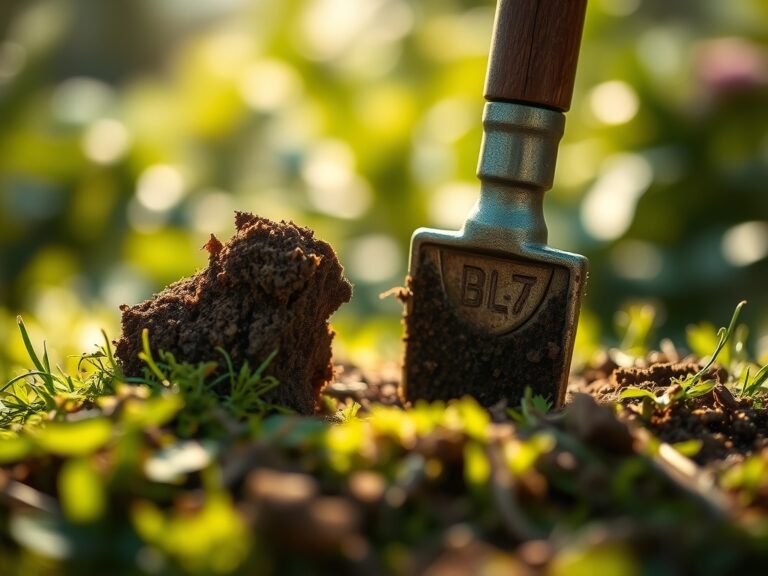
Precision maintenance is the difference between a surviving crop and a thriving one. Deliver exactly 1.5 inches of water per week at the drip line, preferably in two deep sessions rather than daily light mists. This encourages roots to dive deep into the soil profile. Use a hori-hori knife to check for soil compaction or to remove deep-rooted perennial weeds without disturbing the surrounding rhizosphere. For woody plants or shrubs integrated into the landscape, use bypass pruners to remove dead or diseased wood, making clean cuts just above the branch collar to facilitate rapid healing. Monitor soil health annually with a professional lab test to track the cation exchange and adjust your NPK applications accordingly.
The Yield:
When harvesting forage or ornamental grasses, timing is critical for nutrient density and aesthetic longevity. For forage, harvest at the "boot stage" before the seed head emerges to ensure the highest protein content. For ornamental seeds, wait until the stalks have turned brown and the moisture content is below 14 percent. Use sharp shears to avoid tearing the vascular tissue. To maintain "day-one" freshness for cut botanicals, immediately submerge the stems in 110-degree Fahrenheit water and store them in a cool, dark environment to slow the rate of senescence. This process, known as "hardening off," ensures the xylem remains clear and capable of transporting water to the upper foliage.
FAQ:
How do I calculate the spreader flow rate?
Measure a 100-square-foot area. Weigh the seed before and after covering that area. Multiply the weight used by 10 to determine the rate per 1,000 square feet. Adjust the spreader gate until you hit the target bag rate.
Why does seed type affect spreader calibration?
Seed density and coating vary significantly. A setting for heavy, coated fescue will release too much lightweight Kentucky Bluegrass. Always recalibrate when switching seed lots to ensure the bulk density matches the equipment output settings.
What is the best way to clean a spreader?
Wash the hopper and impeller with water after every use to remove corrosive fertilizer salts. Dry thoroughly and apply a silicone-based lubricant to the gears and flow gate to prevent rust and ensure smooth mechanical operation during the next use.
How often should I check spreader calibration?
Calibrate at the start of every season and whenever you change seed or fertilizer brands. Physical wear on the flow gate or impeller can change the discharge rate over time, leading to inaccurate application and wasted product.