10 Classic Ways How to Design a Formal Parterre
Crushed limestone underfoot provides the structural foundation for a garden defined by mathematical precision and physiological control. The scent of bruised Buxus leaves releases volatile organic compounds into the air while the soil remains cool and damp against the skin. Understanding how to design a formal parterre requires a mastery of geometry and a deep comprehension of plant physiology. You are not merely planting a garden; you are engineering a living architectural system where every leaf must maintain high turgor pressure to preserve the crisp lines of the design. Success depends on the manipulation of light, water, and soil chemistry to suppress erratic growth and encourage dense, uniform foliage.
Materials:
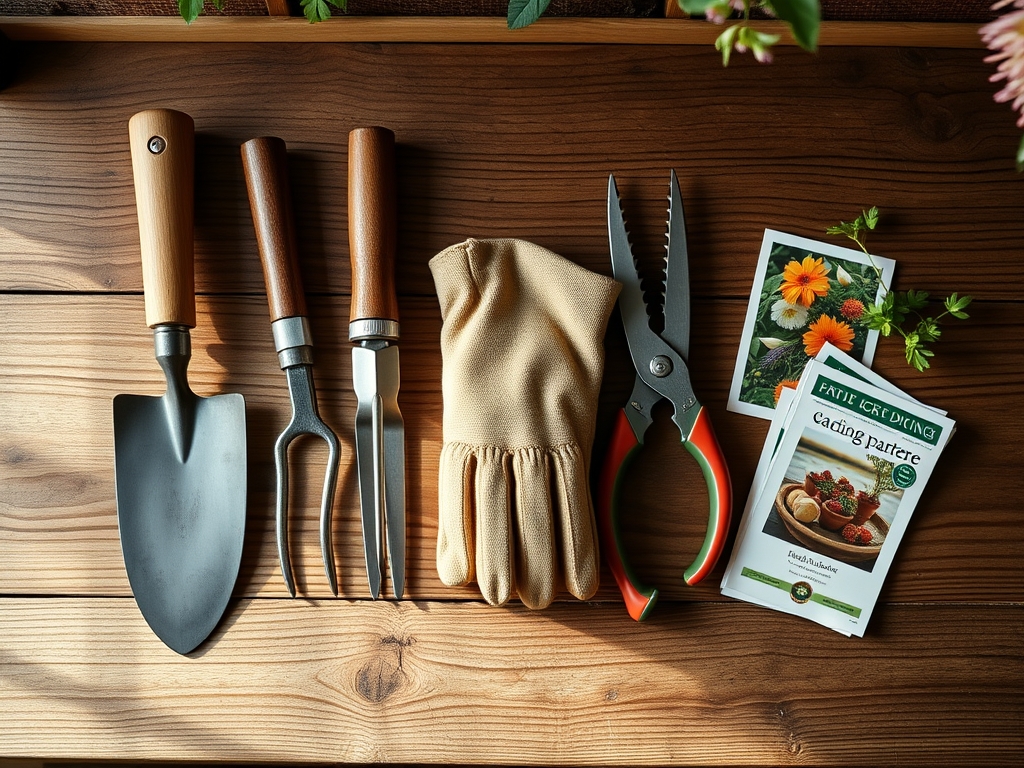
The substrate for a formal parterre must be a **friable loam** with a high **Cation Exchange Capacity (CEC)** to ensure nutrient availability. Aim for a soil pH between **6.5 and 7.2** to optimize the solubility of macronutrients. For the foundational hedging, such as *Buxus sempervirens* or *Taxus baccata*, the initial NPK ratio should favor root development over rapid vertical elongation. Use a **10-20-10 starter fertilizer** to provide high phosphorus levels during the establishment phase.
The physical texture of the soil should consist of 40 percent sand, 40 percent silt, and 20 percent clay. This specific balance prevents compaction in the walking paths while maintaining sufficient water-holding capacity within the planting beds. Incorporate organic matter to increase the rhizosphere activity, but ensure it is fully decomposed to avoid nitrogen immobilization.
Timing:
Parterre construction is governed by the thermal windows of Hardiness Zones 5 through 9. Installation should occur when soil temperatures consistently reach 50 degrees Fahrenheit (10 degrees Celsius). This usually aligns with the window six weeks before the last spring frost or eight weeks before the first autumn frost.
The biological clock of the chosen species dictates the maintenance schedule. Most evergreen hedging plants enter a period of senescence or dormancy during winter. Pruning must occur during the transition from the vegetative stage to the reproductive stage, typically in late spring after the first flush of growth. This timing ensures the plant has sufficient carbohydrate reserves to heal the vascular tissue at the cut sites before the heat of summer increases transpiration rates.
Phases:

Sowing and Ground Preparation
Clear the site of all competitive vegetation using mechanical means to avoid altering the soil chemistry. Use a transit level to ensure the site is perfectly flat; even a 2 percent grade can disrupt the visual symmetry of the parterre. Trench the perimeter of your patterns to a depth of 12 inches to allow for adequate root expansion.
Pro-Tip: Incorporate mycorrhizal fungi into the trench. This biological symbiosis extends the root system's reach, allowing the plant to access phosphorus and water that would otherwise be chemically bound to soil particles.
Transplanting
Space your primary hedging plants 8 to 12 inches apart on center. This density ensures the canopy closes within two growing seasons, creating the solid "wall" effect essential to the design. When placing the root ball, ensure the flare is level with the soil surface to prevent stem rot.
Pro-Tip: Practice apical dominance manipulation by pinching the terminal buds immediately after transplanting. This suppresses auxin flow from the top of the plant, stimulating lateral bud development and creating a fuller, denser hedge base.
Establishing
During the first 18 months, the parterre requires consistent moisture to prevent cellular collapse. Monitor the soil with a digital moisture meter, keeping the root zone at 60 percent field capacity. Avoid overhead irrigation; water at the base to keep the foliage dry and reduce the risk of fungal pathogens.
Pro-Tip: Utilize the concept of phototropism by rotating the plants if they are in containers before planting, or by ensuring the parterre is oriented on a North-South axis. This provides equal light distribution to both sides of the hedge, preventing "leggy" growth at the base.
The Clinic:
Physiological disorders in a parterre are often the result of environmental stress or nutrient imbalances rather than pathogens.
- Symptom: Interveinal chlorosis (yellowing between leaf veins) on new growth.
- Solution: This indicates an Iron (Fe) deficiency, often caused by a pH above 7.5. Lower the pH using elemental sulfur or apply chelated iron foliar spray.
- Symptom: Marginal leaf scorch or browning of leaf edges.
- Solution: This is typically a sign of Potassium (K) deficiency or high salinity. Flush the soil with 2 inches of water to leach salts and apply a 0-0-50 sulfate of potash supplement.
- Symptom: Premature leaf drop and wilting despite moist soil.
- Solution: This suggests root asphyxiation due to poor drainage. Incorporate perlite or coarse sand to increase macropore space in the soil.
Fix-It for Nitrogen Chlorosis: If the entire plant appears pale green or yellow, apply a high-nitrogen (20-0-0) liquid fertilizer. Nitrogen is highly mobile; a liquid application provides immediate uptake to restore chlorophyll production and photosynthetic efficiency.
Maintenance:
Precision maintenance is the difference between a parterre and a common hedge. Provide exactly 1.5 inches of water per week delivered at the drip line via drip irrigation emitters. This prevents the fluctuation in turgor pressure that leads to uneven growth.
Use a hori-hori knife for precise weeding within the intricate patterns to avoid disturbing the shallow root systems of the boxwood. For shaping, utilize bypass pruners for stems thicker than 0.25 inches and sharp topiary shears for the outer foliage. Always disinfect tools with a 10 percent bleach solution between plants to prevent the spread of vascular diseases. Check soil moisture levels twice weekly using a soil moisture meter inserted 6 inches into the root zone.
The Yield:
While parterres are primarily aesthetic, the "yield" is the structural integrity of the evergreen form. Pruning should be performed when the new growth has "hardened off"—meaning the stems have transitioned from soft green to a woody texture.
To maintain "day-one" freshness and crisp lines, perform the final trim of the season in late summer. This allows the plant enough time to produce a final flush of growth that will harden before the first frost. If the parterre includes herbs like lavender or rosemary, harvest during the morning hours when essential oil concentration is at its peak. Use sharp snips to avoid tearing the vascular bundles, which can lead to localized necrosis.
FAQ:
What is the best plant for a low parterre?
Buxus sempervirens 'Suffruticosa' is the standard. It is a slow-growing cultivar that maintains a compact form, requiring less frequent pruning to sustain the sharp geometric lines required for a formal parterre design.
How do I prevent my parterre from looking thin at the bottom?
Ensure the top of the hedge is slightly narrower than the base. This "tapering" allows sunlight to reach the lower foliage, preventing the shaded-out leaf drop that occurs when the top canopy blocks the sun.
Can I build a parterre on a slope?
It is not recommended. Formal parterres rely on absolute horizontal symmetry. A slope causes uneven water distribution and optical distortion. You must terrace the land to create a level plane before planting.
How often should I fertilize an established parterre?
Apply a balanced, slow-release 10-10-10 fertilizer once in early spring. Avoid late-summer fertilization, as this can stimulate soft, new growth that is highly susceptible to winter kill and frost damage.