5 Fun Ways How to Design a Garden for Kids
Crushed basalt and the sharp scent of damp humus signal a workspace ready for production. To master how to design a garden for kids, one must prioritize tactile engagement and physiological resilience. A child's garden is not a museum; it is a high-traffic biological laboratory. Success requires high turgor pressure in stems to withstand accidental contact and a soil structure that resists compaction from small footsteps. We begin by engineering an environment where botanical science meets sensory discovery.
Materials:
The foundation of any juvenile-focused plot is a **friable loam** with a Cation Exchange Capacity (CEC) between **15 and 25 meq/100g**. This ensures the soil can hold and exchange essential nutrients like calcium and magnesium. Aim for a soil pH of **6.2 to 6.8** to maximize nutrient bioavailability.
For the initial amendment, utilize a balanced NPK ratio of 10-10-10 for general establishment. However, for specific zones like a "Pizza Garden," shift to a 5-10-10 formula to prioritize phosphorus for root development and potassium for fruit quality over excessive nitrogen-driven foliage. The substrate should crumble easily when squeezed; if it forms a hard ball, the clay content is too high for young hands to manage. Incorporate 20 percent organic matter by volume to ensure the rhizosphere remains oxygenated and well-drained.
Timing:
Timing is dictated by the USDA Hardiness Zone and the specific frost-free window of your microclimate. In Zones 5 through 7, the primary planting window opens when soil temperatures consistently reach 60 degrees Fahrenheit (15.5 Celsius). Understanding the biological clock is essential; plants transition from the vegetative stage (leaf growth) to the reproductive stage (flowering and fruiting) based on the photoperiod.
For a child's garden, select cultivars with a short Days to Maturity (DTM) rating, ideally between 50 and 65 days. This aligns the plant's life cycle with the human attention span. Early spring sowings should focus on cool-season crops that can survive light frosts, while the heat-intensive phase begins only after the last mean frost date has passed. Monitoring the Growing Degree Days (GDD) allows a gardener to predict harvest windows with mathematical precision.
Phases:
Sowing
Direct sow large-seeded species like Helianthus annuus (sunflower) or Cucurbita pepo (pumpkin) at a depth exactly two times the seed's diameter. Ensure the seed-to-soil contact is firm to facilitate capillary action, drawing moisture into the embryo.
Pro-Tip: Use a transparent germination chamber or "root view" box to observe geotropism. This is the biological process where specialized cells called statocytes detect gravity, ensuring roots grow downward while shoots grow upward regardless of seed orientation.
Transplanting
When moving seedlings from flats to the field, minimize transplant shock by maintaining the integrity of the root ball. Dig a hole twice the width of the container. Handle the plant by the "true leaves" rather than the stem to avoid crushing the vascular cambium.
Pro-Tip: Inoculate the planting hole with mycorrhizal fungi. This symbiotic relationship extends the root system's reach, allowing the plant to access phosphorus and water that would otherwise be chemically or physically unavailable.
Establishing
During the first 14 days, the focus is on root expansion. Maintain consistent soil moisture to prevent the wilting point from being reached. Staking tall varieties early prevents mechanical damage to the xylem and phloem during wind events.
Pro-Tip: Encourage auxin suppression by pinching off the terminal buds of certain herbs like basil. This disrupts apical dominance, forcing the plant to redirect growth hormones to lateral buds, resulting in a bushier, more resilient plant structure.
The Clinic:
Physiological disorders often mimic infectious diseases. Accurate diagnosis is required before intervention.
- Symptom: Interveinal chlorosis (yellowing between green veins) on new leaves.
Solution: This indicates an Iron (Fe) deficiency, often caused by high pH. Apply chelated iron and check soil acidity.
- Symptom: Blossom end rot on tomatoes (dark, leathery spots on the bottom).
Solution: This is a Calcium (Ca) transport issue, usually triggered by inconsistent watering rather than a lack of soil calcium. Maintain steady soil moisture.
- Symptom: Purpling of older foliage.
Solution: Phosphorus (P) deficiency. This often occurs in cold soils where root uptake is sluggish. Apply a water-soluble high-phosphorus starter fertilizer.
- Symptom: Leaf curl and stunted growth without visible pests.
Solution: Herbicide drift. If lawns nearby were treated, the plant may be reacting to synthetic auxins. Prune affected areas and flush the soil with water.
Maintenance:
Precision maintenance prevents systemic failure. Apply exactly 1.5 inches of water per week at the drip line; do not overhead water, as lingering moisture on foliage invites fungal pathogens like Erysiphe cichoracearum (powdery mildew). Use a soil moisture meter to verify that the root zone at a 4-inch depth is damp but not anaerobic.
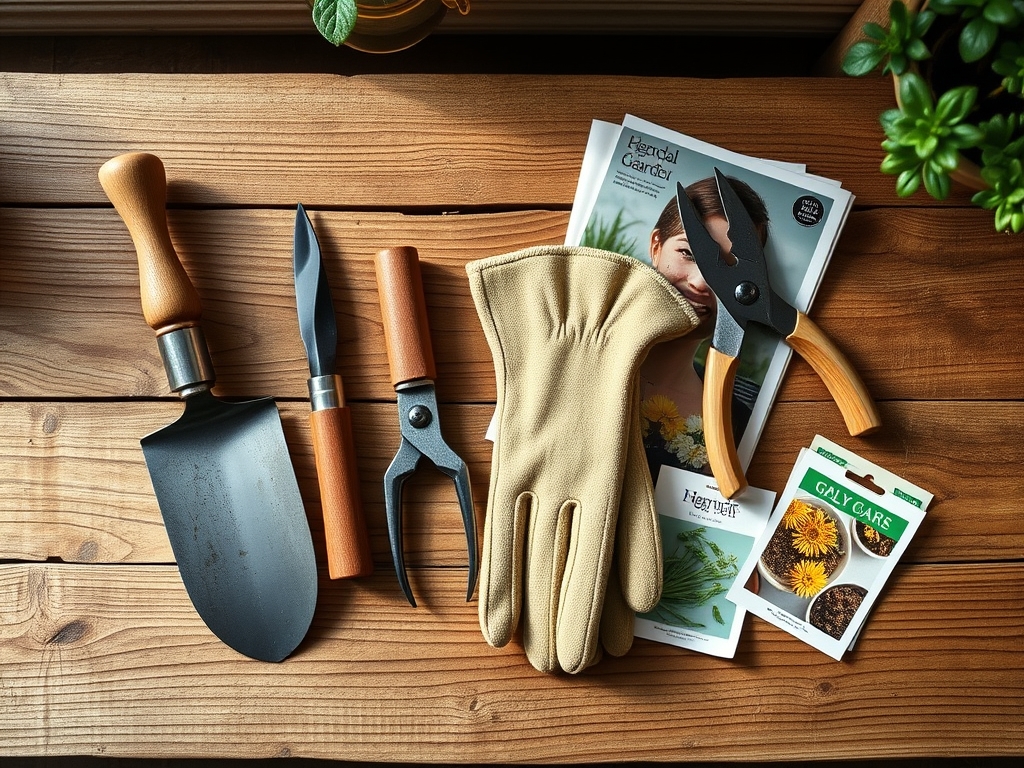
Utilize a hori-hori knife for deep-rooted weed extraction to ensure the entire taproot is removed. For pruning, use sharp bypass pruners to make clean, slanted cuts that shed water and prevent necrosis. Mulch with 2 inches of shredded straw or wood chips to suppress weed germination and regulate soil temperature fluctuations.
The Yield:
Harvesting is the final stage of the biological cycle before senescence. For maximum "day-one" freshness, harvest during the early morning hours when turgor pressure is at its peak. Use a sharp blade to sever the peduncle; pulling by hand can damage the main stem's vascular tissue.
Immediately move harvested produce to a cool, shaded area to remove field heat. For flowers, submerged the stems in 110 degree Fahrenheit water for thirty minutes to clear air bubbles from the xylem, ensuring continued hydration and longevity.
FAQ:
How do I choose the best location?
Select a site receiving at least 6 to 8 hours of direct solar radiation daily. Ensure the area has a slope of less than 2 percent to prevent erosion and water pooling. Proximity to a pressurized water source is mandatory.
What are the safest plants for children?
Focus on non-toxic, high-yield species like Pisum sativum (peas), Fragaria x ananassa (strawberries), and Raphanus sativus (radishes). Avoid any species with alkaloids or glycosides that could cause gastric distress if accidentally ingested during the sensory exploration phase.
How do I prevent soil compaction?
Designate permanent walking paths using flagstone or mulch. This concentrates foot pressure on non-growing areas, protecting the soil pore space in the planting beds. Open pore space is critical for oxygen diffusion to the root systems.
When should I fertilize the garden?
Apply a side-dressing of organic fertilizer when the plant reaches one-third of its mature height. Monitor the foliage for signs of nitrogen chlorosis. Avoid over-fertilizing late in the season, as this can delay the transition to the reproductive stage.
What is the best way to handle pests?
Identify the specific organism before acting. Use physical barriers like floating row covers to prevent egg-laying. If intervention is necessary, prioritize mechanical removal or horticultural oils that disrupt the insect's respiratory system without leaving persistent chemical residues in the soil.