5 Easy Ways How to Use Pressure Sprayers
Learning how to use pressure sprayers transforms garden maintenance from a tedious chore into precise botanical care. The cool metal tank rests against your hip, the pump handle slides smoothly under your palm, and the brass wand directs a fine mist exactly where chlorophyll-hungry leaves need foliar nutrients or protective compounds. Within minutes, you can deliver chelated micronutrients, biological pesticides, or pH-adjusted solutions across 1,000 square feet of canopy. Mastering how to use pressure sprayers requires understanding pressure dynamics, nozzle selection, and solution chemistry. The difference between scorched foliage and thriving plants often depends on technique rather than product choice.
Materials
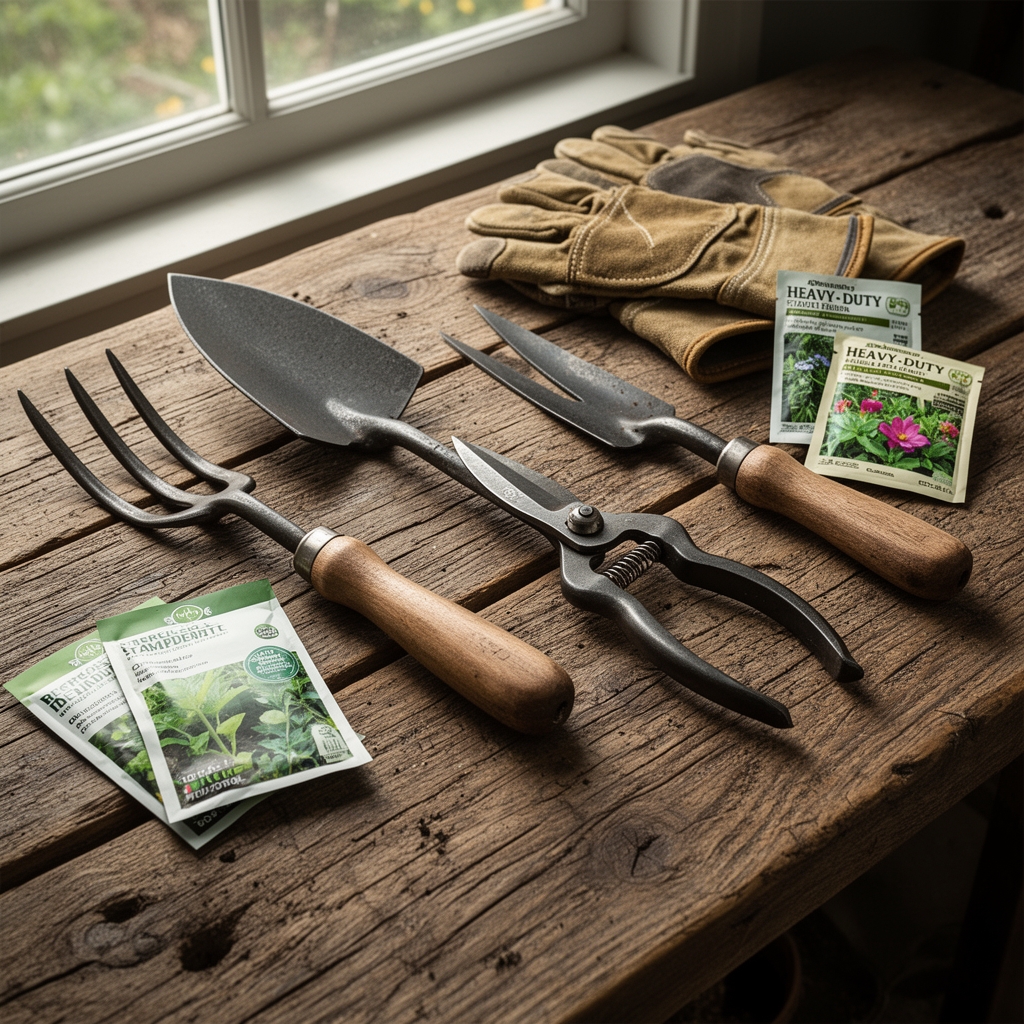
Select a sprayer with a 1.5 to 3-gallon capacity for residential applications. Stainless steel wands resist corrosion from acidic or alkaline solutions. Viton seals tolerate petroleum-based horticultural oils, while EPDM gaskets work for water-based formulations. Check the pressure relief valve functions at 40-60 PSI before each use.
For foliar feeding, prepare solutions with a balanced 4-4-4 organic meal or liquid kelp extract (1-0.1-2 NPK profile). Add 1 tablespoon of soluble powder per gallon for vegetables in active growth. When applying biological controls like Bacillus thuringiensis, verify water pH between 6.0 and 7.0 to maintain bacterial viability. Hard water above 150 ppm calcium carbonate requires a chelating agent or pH buffer. Mix horticultural soap at 2 tablespoons per gallon as a surfactant for leaf penetration. Never combine calcium-rich amendments with phosphate solutions; this creates insoluble precipitates that clog nozzles.
Timing
Apply foliar sprays in USDA Hardiness Zones 3-6 between late May and early September, avoiding frost windows. In Zones 7-9, extend applications from March through October but pause during heat waves exceeding 88°F. Spray in early morning between 6 AM and 9 AM when stomata open for gas exchange and temperatures stay below 75°F. Evening applications after 6 PM work in arid climates but increase fungal disease risk in humid regions.
Apply preventive fungicides 7-10 days before historical blight onset, typically 14 days after last spring frost. For insecticidal soaps, target pest emergence: aphids at bud break, spider mites when day length exceeds 14 hours, and whiteflies at first flower set. Nutrient sprays show maximum uptake during rapid vegetative growth, from transplant until flower initiation.
Phases

Sowing Phase: Pre-treat seedbeds with dilute kelp solution (1 teaspoon per gallon) 48 hours before direct seeding. The auxin distribution in kelp extracts stimulates root hair formation. Pump the sprayer to 30 PSI and use a flat-fan nozzle for even coverage. Apply 0.5 gallons per 100 square feet, wetting the top 2 inches of soil.
Pro-Tip: Inoculate spray solution with mycorrhizal fungi spores at 1 gram per gallon. The pressure sprayer distributes propagules without destroying hyphal structure, establishing symbiotic relationships before germination.
Transplanting Phase: Apply transplant shock solution containing 1-3-2 NPK starter fertilizer plus 0.5% humic acid 24 hours before moving seedlings. Spray until solution drips from leaf margins, ensuring the cation exchange capacity of leaf surfaces holds nutrients during root establishment. Use a cone nozzle to penetrate dense seedling trays without damaging tender stems.
Pro-Tip: Add 1 tablespoon of blackstrap molasses per gallon to feed beneficial bacteria in the phyllosphere. This increases disease resistance for the first 14 days after transplanting.
Establishing Phase: Once plants develop 8-10 true leaves, switch to maintenance foliar feeding every 14 days. Mix fish emulsion (5-1-1) at 3 tablespoons per gallon. Pump to 40 PSI and apply 1 gallon per 200 square feet of canopy. Direct spray from below to coat leaf undersides where stomatal density peaks.
Pro-Tip: When spraying fruit trees, angle the wand 45 degrees upward to reach scaffold branches. This improves calcium distribution, reducing blossom end rot in developing fruit.
Troubleshooting
Symptom: Uneven spray pattern with sputtering. Solution: Debris clogs the nozzle filter. Disassemble the wand tip, remove the brass screen, and flush with white vinegar. Replace O-rings if spray leaks at connections.
Symptom: White residue on leaves after spraying. Solution: Hard water minerals precipitated during evaporation. Switch to distilled water or add 1 teaspoon citric acid per gallon to sequester calcium.
Symptom: Leaf burn appearing within 6 hours. Solution: Concentration exceeded safe limits or application occurred during peak sun. Reduce dilution rate by 50% and restrict spraying to sub-75°F conditions.
Symptom: Loss of pressure after 30 seconds. Solution: Pump seal degradation. Apply silicone grease to the piston assembly and check for cracks in the pressure chamber.
Symptom: Pest populations increase post-application. Solution: Insecticidal soap killed predatory insects. Integrate pheromone monitoring and spot-treat rather than broadcast spraying.
Maintenance
Flush the sprayer with clean water immediately after each use. Add 1 cup of white vinegar, pump to pressure, and spray through the system to dissolve mineral deposits. Store with the pressure relief valve open to prevent gasket deformation.
Replace nozzle tips every 24 months as brass wears, changing spray geometry. Inspect the pressure gauge quarterly; inaccurate readings lead to over-application and phytotoxicity. Apply 1 inch of water per week through irrigation; pressure sprayers supplement but do not replace root-zone watering.
Calibrate output by spraying into a measuring container for 60 seconds at working pressure. Adjust walking speed to deliver target volume per square foot. For disease prevention, apply fungicides at 7-day intervals when relative humidity exceeds 80% for three consecutive nights.
FAQ
How much pressure should I pump? Maintain 40 PSI for foliar feeding and 50-60 PSI for penetrating dense foliage or applying pest controls.
Can I use the same sprayer for herbicides and fertilizers? Never. Herbicide residues persist despite rinsing and will damage sensitive plants. Dedicate separate units.
How long does mixed solution remain effective? Biological products degrade within 4-8 hours. Mix only what you will use immediately and discard leftovers.
What causes foaming in the tank? Excessive surfactant or soap. Reduce additives to 1 tablespoon per gallon and avoid vigorous shaking.
When should I replace my pressure sprayer? After 5-7 seasons or when the pressure chamber develops leaks that new seals cannot fix. Rust inside the tank contaminates solutions and harms plants.