10 Pro Tips How to Mist Indoor Plants Correctly
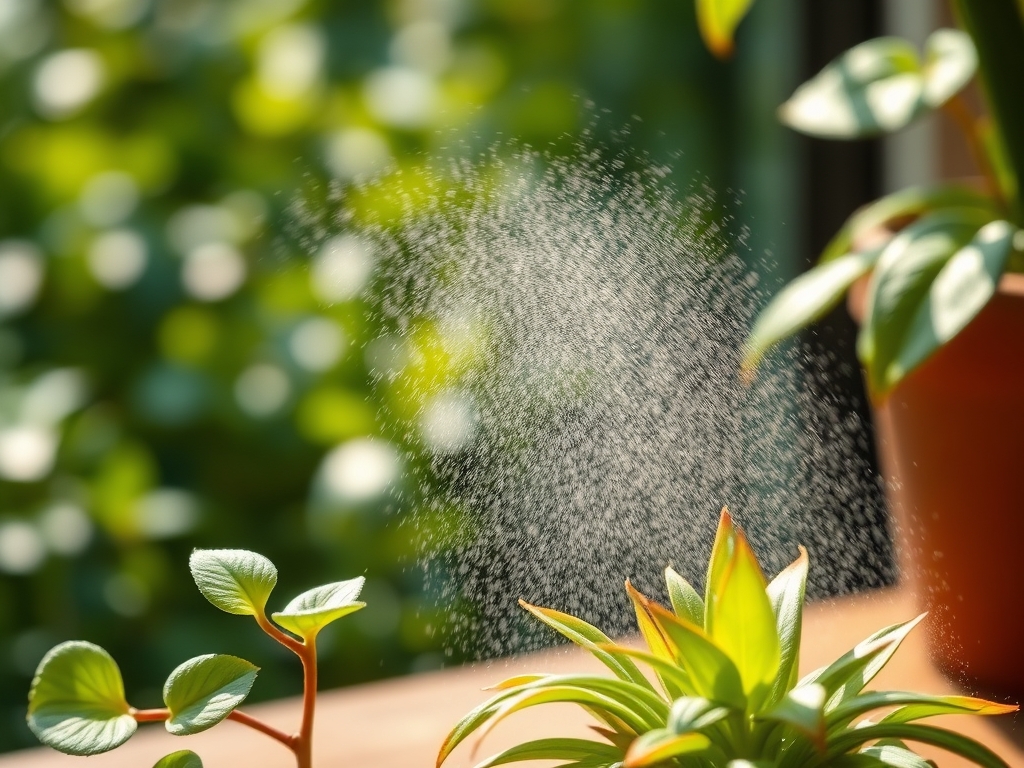
The scent of damp earth and the immediate increase in leaf turgor pressure define the success of a precise hydration routine. Understanding how to mist indoor plants correctly requires more than a casual spray bottle; it demands an analytical approach to micro-climates and cellular respiration. When water particles settle on the adaxial surface of a leaf, they temporarily slow the rate of transpiration. This process prevents the plant from losing moisture faster than the roots can provide it during periods of low ambient humidity. Proper misting mimics the high-vapor pressure deficit found in tropical understories, ensuring that stomata remain functional without triggering fungal pathogens. By mastering the physics of water dispersion, you maintain the structural integrity of the plant cells and prevent the dry, necrotic edges common in arid indoor environments.
Materials:
The foundation of plant health begins in the rhizosphere. For indoor tropicals, use a friable loam substrate with a pH range of 5.8 to 6.5. This acidity level ensures maximum nutrient bioavailability. High-quality potting media should contain perlite or pumice to maintain a high Cation Exchange Capacity (CEC), allowing the soil to hold onto essential ions like potassium and magnesium.
During the active growing season, supplement with a water-soluble fertilizer featuring an NPK ratio of 3-1-2. This specific ratio supports lush foliage development without overstimulating root growth at the expense of the canopy. The physical texture of the soil must remain porous; if the media becomes compacted, oxygen cannot reach the root zone, leading to anaerobic conditions and root rot.
Timing:
Indoor gardening bypasses traditional Hardiness Zones, yet the biological clock of the plant remains tethered to the photoperiod. Most indoor species originate from equatorial regions where day length remains consistent. However, in temperate zones, the transition from vegetative to reproductive stages is triggered by the reduction of light in autumn.
Misting should occur exclusively between 7:00 AM and 9:00 AM. This window allows excess moisture to evaporate from the leaf surface as temperatures rise throughout the day. Misting at night is a primary cause of powdery mildew and botrytis, as stagnant water sitting on foliage in dropping temperatures provides a breeding ground for spores. During the winter months, when HVAC systems drop indoor humidity to below 20 percent, increase the frequency of misting to twice daily to compensate for the dry air.
Phases:
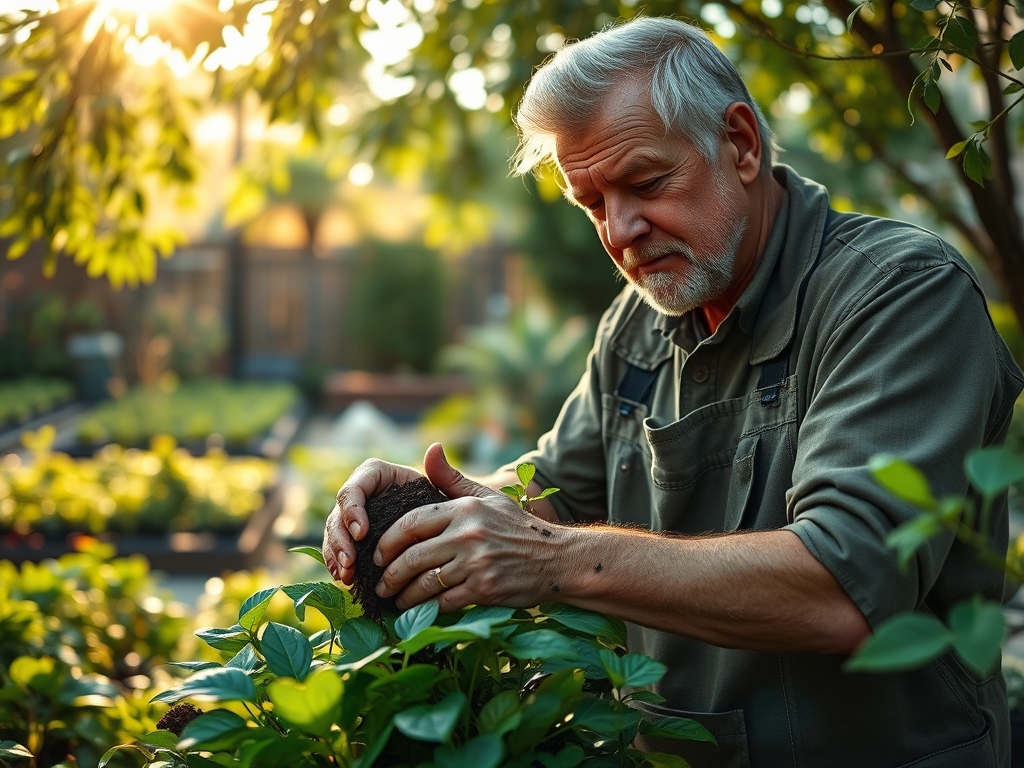
Sowing and Germination
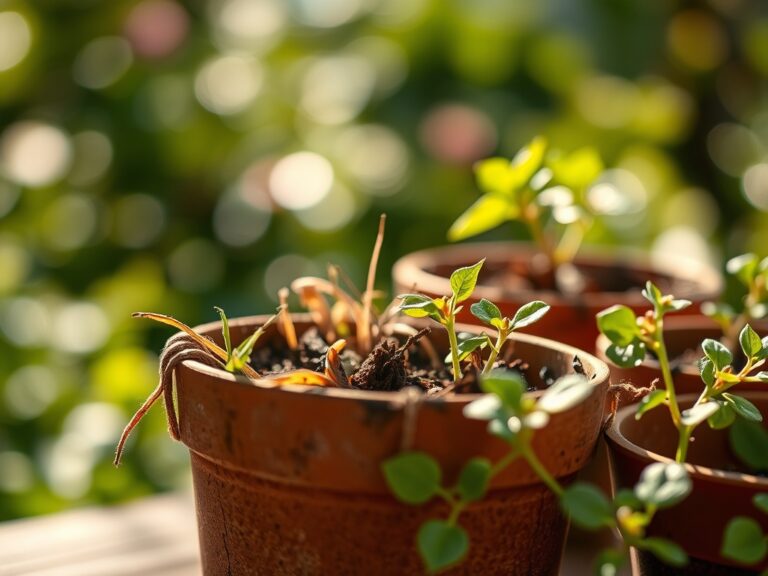
Seedlings require a constant humidity level of 70 to 80 percent. At this stage, how to mist indoor plants correctly involves using a fine-mist nozzle to avoid dislodging the delicate seeds from the substrate.
Pro-Tip: Use distilled water at a temperature of 68 degrees Fahrenheit. Cold water can shock the developing embryo and stall germination through a process known as imbibitional chilling injury.
Transplanting and Acclimation
Moving a plant to a larger vessel disrupts the root-to-soil contact. During the first 14 days post-transplant, the plant is at high risk of wilting due to damaged root hairs.
Pro-Tip: Mist the undersides of the leaves (the abaxial surface) where the highest concentration of stomata is located. This reduces the transpiration pull and allows the plant to focus energy on root re-establishment through auxin suppression in the apical meristem.
Establishing and Maturation
Once the plant has reached its target size, misting serves as a maintenance tool to keep the foliage clean of dust, which can block up to 30 percent of available light for photosynthesis.
Pro-Tip: Integrate a diluted seaweed extract into your mister once a month. The cytokinins in the extract promote lateral bud development and increase the plant's resistance to environmental stress through improved cellular membrane stability.
The Clinic:
Physiological disorders often mimic nutrient deficiencies. Distinguishing between the two is vital for correct intervention.
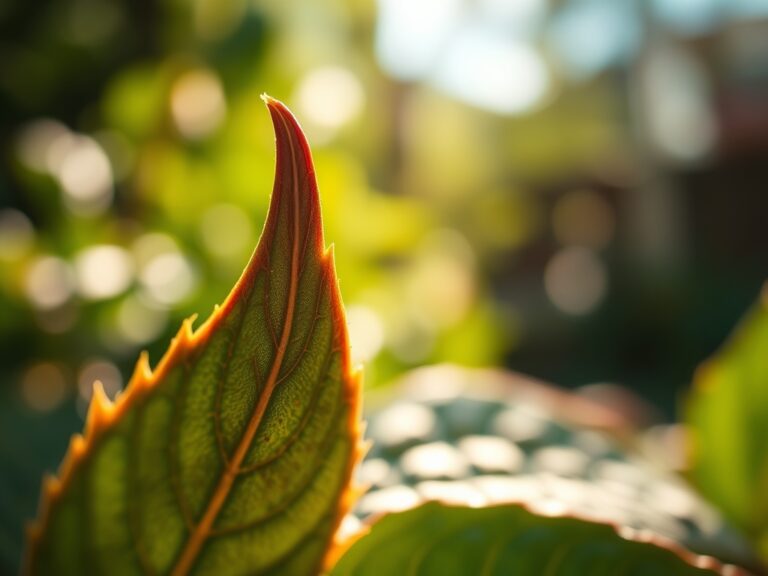
- Symptom: Tip Burn (Necrosis). This is often caused by low humidity or fluoride accumulation from tap water.
Solution: Switch to filtered water and increase misting frequency to three times per week.
2. Symptom: Edema (Bumpy foliage). This occurs when the plant takes up water faster than it can transpire.
Solution: Improve air circulation and cease misting until the soil dries to a depth of 2 inches.
3. Symptom: Nitrogen Chlorosis. Older leaves turn pale yellow while veins remain green.
Fix-It: Apply a high-nitrogen foliar spray with an NPK of 10-0-0 directly to the leaves for rapid absorption.
4. Symptom: Interveinal Chlorosis. This indicates a Magnesium deficiency, common in high-pH soils.
Fix-It: Dissolve 1 teaspoon of Epsom salts per gallon of water and mist the foliage thoroughly.
Maintenance:
Precision maintenance requires the right instrumentation. Use a soil moisture meter to verify that the top 25 percent of the substrate is dry before adding more water to the roots. For most tropical indoor plants, the goal is to provide the equivalent of 1.5 inches of water per week delivered at the drip line.
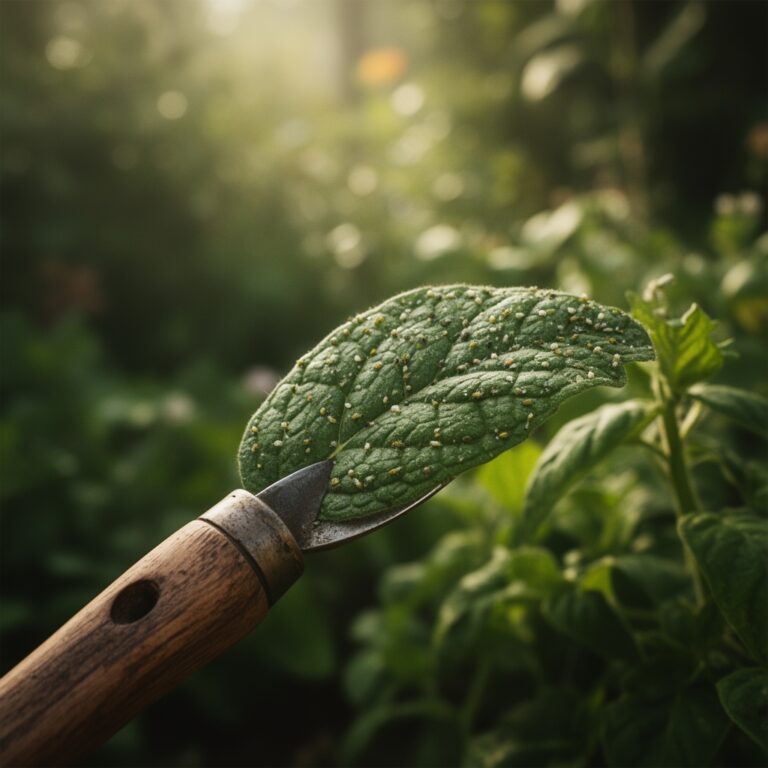
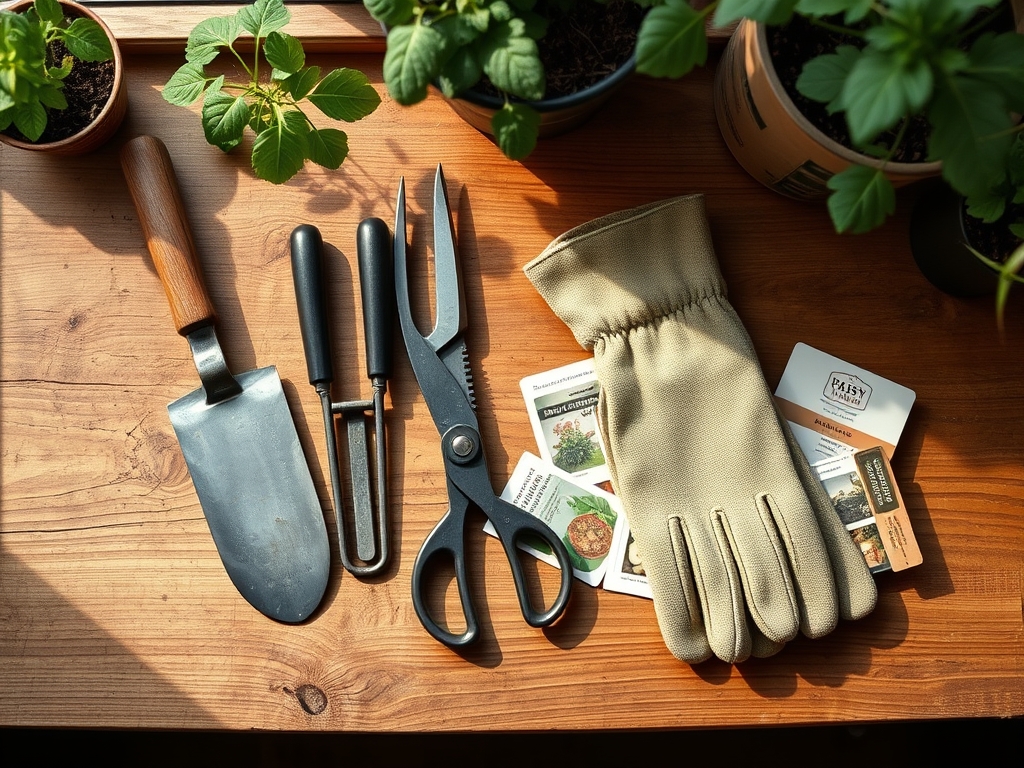
Keep a hori-hori knife on hand to check for soil compaction and a pair of bypass pruners for removing senescent leaves. When pruning, always cut at a 45-degree angle just above a node to encourage new growth. Clean your misting bottle weekly with a 10 percent bleach solution to prevent the buildup of biofilm and mineral scale, which can clog the nozzle and harbor pathogens.
The Yield:
For those growing indoor herbs or flowering species like Jasmine, the harvest timing is critical for essential oil potency. Harvest in the morning when the plant is at peak turgidity. Use sharp snips to avoid crushing the vascular tissue (xylem and phloem). To maintain "day-one" freshness, immediately place the cut stems in a beaker of water at 40 degrees Fahrenheit. This rapid cooling slows the metabolic rate and prevents the degradation of volatile compounds.
FAQ:
How often should I mist my indoor plants?
Most tropical plants require misting 2 to 3 times per week. During winter months when indoor humidity drops below 30 percent, daily misting may be necessary to prevent leaf tip necrosis and maintain cellular turgor.
Does misting replace the need for regular watering?
No. Misting only affects the humidity around the foliage and does not provide sufficient moisture to the rhizosphere. You must continue to provide deep watering to the soil to ensure the roots receive necessary hydration and nutrients.
What is the best water for misting?
Use distilled or rainwater at room temperature. Tap water often contains chlorine and mineral salts that leave white deposits on leaves, potentially clogging stomata and interfering with the plant's gas exchange and photosynthetic efficiency.
Can misting cause fungal diseases?
Yes, if performed incorrectly. Always mist in the morning so foliage dries before evening. Ensure adequate air circulation around the plant to prevent water from sitting on the leaves for more than 4 hours, which invites pathogens.
Which plants should never be misted?
Avoid misting plants with pubescent (fuzzy) leaves, such as African Violets, or succulents and cacti. Trapped water on hairy leaf surfaces leads to rot and permanent spotting, as these species are adapted to low-moisture environments.