10 Expert Ways How to Treat Indoor Plant Diseases
Indoor plants showing yellow leaves, brown spots, or wilting stems signal pathogen invasion or environmental stress. Learning how to treat indoor plant diseases requires understanding the difference between fungal, bacterial, and viral infections, plus the nutrient deficiencies that mimic disease symptoms. Each disorder demands a specific intervention based on pathogen type, substrate composition, and airflow dynamics within your growing space.
Materials
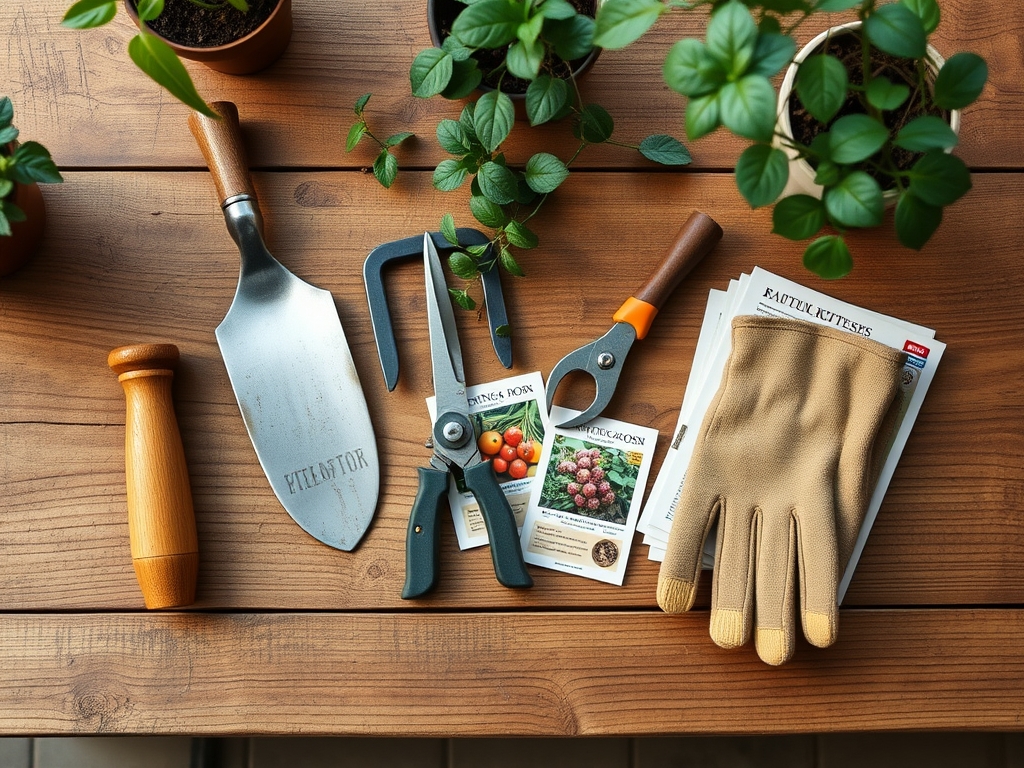
Successful disease management begins with the right amendments and treatments. Use a 4-4-4 organic fertilizer blend (blood meal, bone meal, kelp) for maintenance feeding at pH 6.0-6.5 to support disease resistance. Keep neem oil concentrate (azadirachtin 0.5-1.0%) on hand for fungal and pest suppression. Stock copper fungicide (copper octanoate or copper sulfate) for bacterial spot treatment. Hydrogen peroxide 3% solution provides root zone sterilization for pythium and fusarium. Beneficial microbes like Trichoderma harzianum colonize root surfaces and outcompete pathogens through competitive exclusion. Isopropyl alcohol 70% disinfects pruning shears between cuts to prevent cross-contamination. Diatomaceous earth (food-grade) controls fungus gnats and soil-dwelling larvae. Sulfur dust (90% elemental sulfur) adjusts substrate pH while suppressing powdery mildew spores.
Timing
Indoor environments eliminate hardiness zone constraints, but seasonal light cycles affect disease pressure. Winter months (November through February) in zones 3-7 bring reduced natural light and lower humidity, creating conditions for botrytis cinerea (gray mold) on dense foliage. Increase treatment vigilance during these months. Spring (March-May) triggers active growth and higher transpiration rates, when plants tolerate aggressive pruning of infected tissue. Summer heat (June-August) in zones 8-10 requires evening treatments to prevent foliar burn from oil-based fungicides. Fall (September-October) serves as the optimal window for soil drench treatments with beneficial fungi, allowing mycorrhizal colonization before winter dormancy.
Phases
Disease treatment follows three distinct intervention stages. Each phase addresses specific pathogen life cycles and plant recovery mechanisms.

Identification and Isolation Phase
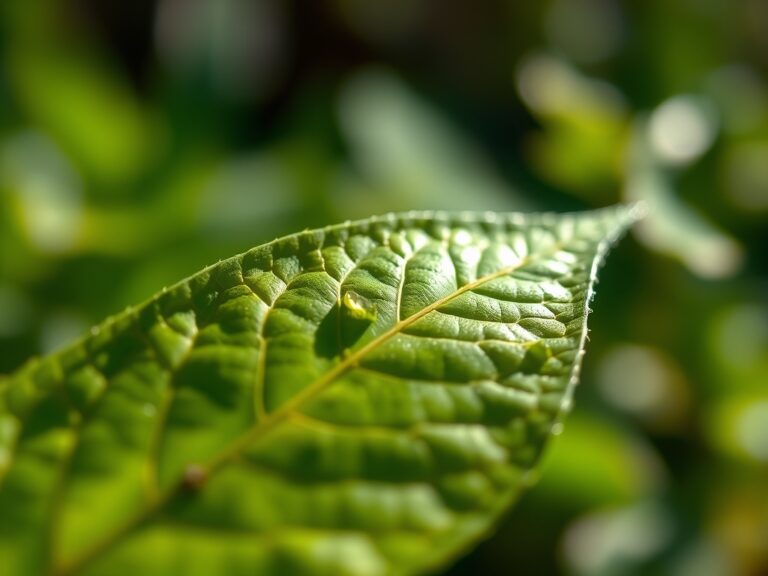
Remove infected plants from healthy specimens immediately upon symptom detection. Examine leaf undersides with a 10x hand lens for spore structures, stippling patterns from piercing-sucking insects, or bacterial ooze. Document environmental conditions: substrate moisture at 2-inch depth, ambient temperature, and relative humidity percentage. Fungal diseases show circular lesions with defined margins and visible sporulation. Bacterial infections create water-soaked spots with yellow halos. Viral diseases produce mosaic patterns, ring spots, or distorted growth that cannot be cured.
Pro-Tip: Place a white paper under affected foliage and tap gently. Spider mites, thrips, or whiteflies will drop onto the paper, distinguishing pest damage from true disease.
Active Treatment Phase
Begin with mechanical removal of all symptomatic tissue using sterile pruning shears. Cut 1 inch below visible infection into healthy tissue at a 45-degree angle to prevent water accumulation on cut surfaces. For fungal infections, apply neem oil spray at 2 tablespoons per gallon of water, coating leaf surfaces until runoff occurs. Treat every 7 days for three applications. Bacterial spot requires copper fungicide application at labeled rates, applied every 10-14 days. Root rot demands substrate replacement plus a hydrogen peroxide drench (1 part 3% peroxide to 4 parts water) to oxidize anaerobic pathogens. Reduce watering frequency by 30-40% during treatment to lower substrate moisture.
Pro-Tip: Add 1 teaspoon of insecticidal soap per gallon of neem solution to improve leaf coverage and penetration of waxy cuticles where fungal spores germinate.
Recovery and Prevention Phase
Once active symptoms cease, introduce Bacillus subtilis or Trichoderma inoculants at root zone depth to establish protective microbial populations. These beneficial organisms colonize root surfaces and produce antibiotics that suppress pathogenic fungi. Adjust fertilizer to 3-1-2 NPK ratio to reduce nitrogen excess that creates succulent tissue vulnerable to infection. Increase air circulation to maintain leaf surface dryness; aim for relative humidity between 40-50%. Implement a quarantine protocol for new plants: isolate for 14-21 days while monitoring for latent infections.
Pro-Tip: Water only in morning hours to allow 4-6 hours of leaf drying time before nighttime temperature drops that favor fungal spore germination.
Troubleshooting
Symptom: Powdery white coating on leaf surfaces and stems.
Solution: Powdery mildew (Erysiphe species) thrives in high humidity with poor air movement. Apply sulfur dust at 3-4 pounds per 100 square feet or potassium bicarbonate spray (1 tablespoon per gallon) weekly for three weeks.
Symptom: Brown, water-soaked spots spreading rapidly across leaves.
Solution: Bacterial leaf spot requires immediate infected tissue removal plus copper fungicide application. Reduce overhead watering and improve spacing between plants by 6-8 inches.
Symptom: Yellowing lower leaves with green veins, stunted growth.
Solution: Iron chlorosis from high substrate pH. Apply chelated iron (Fe-EDDHA) at 1 teaspoon per gallon and adjust substrate pH to 6.0-6.5 using elemental sulfur.
Symptom: Wilting despite moist substrate, brown mushy roots.
Solution: Pythium or phytophthora root rot. Unpot plant, remove all affected roots, treat remaining roots with hydrogen peroxide solution, and repot in sterile substrate with improved drainage using 30% perlite addition.
Symptom: Sticky residue on leaves with black sooty coating.
Solution: Honeydew from aphids or scale insects promotes sooty mold growth. Treat insects first with insecticidal soap (2% concentration), then wash leaves with water to remove mold.
Maintenance
Water only when the top 2 inches of substrate feel dry to touch. Provide 1 inch of water per week for 6-inch pots, adjusting for container size and plant transpiration rate. Maintain ambient temperature between 65-75°F during treatment phases. Monitor relative humidity with a hygrometer, keeping levels at 40-50% through dehumidifier use or strategic plant spacing. Apply foliar feeding with kelp extract (1 tablespoon per gallon) monthly to boost natural disease resistance through improved auxin distribution and cell wall lignification. Prune to maintain open canopy structure allowing light penetration to lower foliage. Sterilize pruning tools between plants using 70% isopropyl alcohol for 30 seconds contact time. Rotate plant positions quarterly to equalize light exposure and prevent localized humidity buildup.
FAQ
How quickly do fungicides work on indoor plant diseases?
Contact fungicides like neem oil work within 24-48 hours on surface fungi. Systemic treatments require 7-14 days for translocation through xylem tissue to infection sites.
Can I save a plant with root rot?
Yes, if more than 30% of roots remain white and firm. Remove all brown mushy roots, treat with hydrogen peroxide, and repot in fresh substrate with 40% perlite for drainage.
Why do diseases return after treatment?
Environmental conditions (high humidity, poor air circulation, overwatering) remain unchanged. Disease management requires both pathogen elimination and cultural practice modification.
Are organic treatments as effective as synthetic fungicides?
Neem oil and copper fungicides provide comparable control for most foliar diseases. Severe bacterial infections may require synthetic bactericides with systemic activity.
How do I prevent disease in newly purchased plants?
Quarantine for 21 days minimum. Inspect weekly for symptom development. Repot in sterile substrate if source growing conditions are unknown. Many nursery diseases have 14-day incubation periods before symptoms appear.