10 Pro Tips How to Use Mist Nozzles
Mist nozzles transform greenhouse humidity control and propagation success rates by delivering water droplets between 10 and 50 microns in diameter. Learning how to use mist nozzles correctly separates commercial-grade propagation from amateur attempts that result in damped-off cuttings and fungal blooms. Professional propagators achieve 95% rooting success in softwood cuttings by maintaining leaf turgor without saturating the growing medium. The technology relies on precise pressure regulation, nozzle spacing geometry, and timing intervals that respond to vapor pressure deficit rather than arbitrary schedules.
Materials
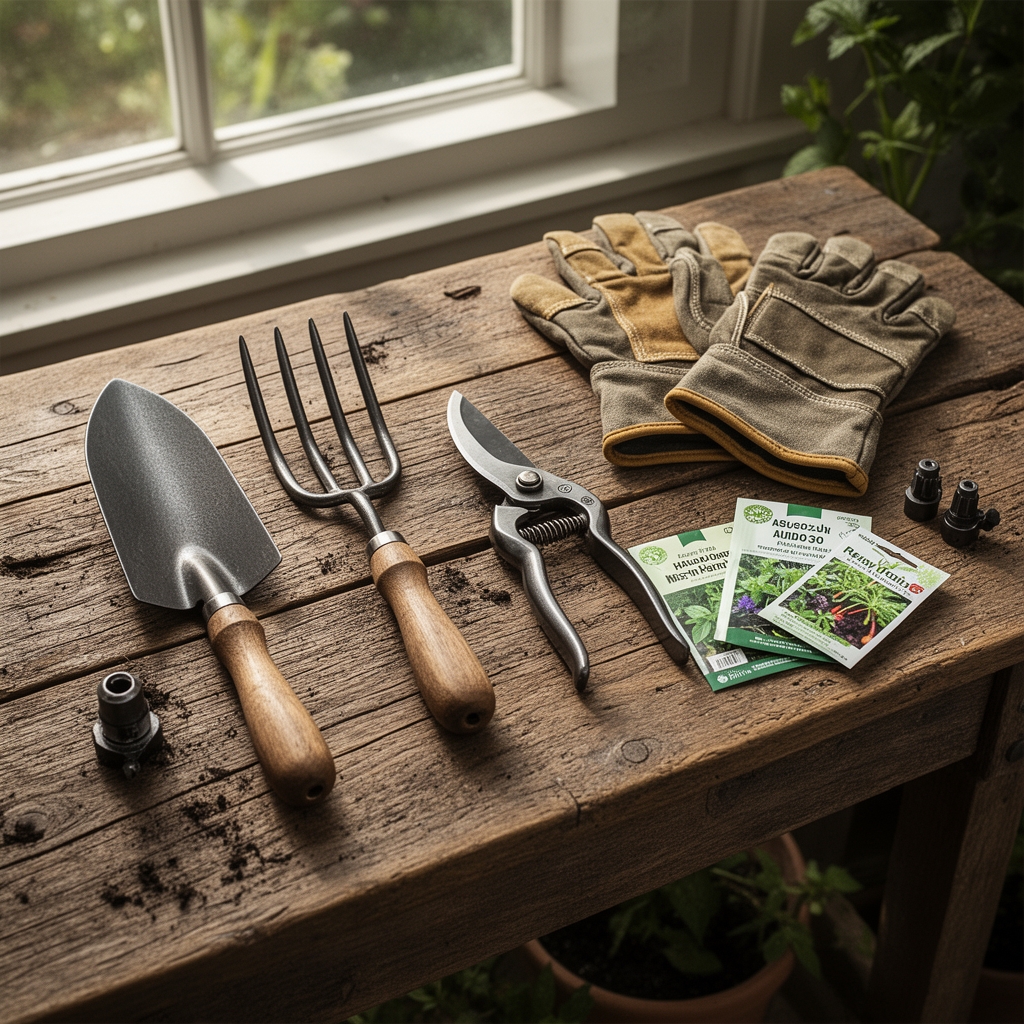
Select nozzles rated for 40 to 60 PSI with orifice diameters between 0.012 and 0.016 inches for propagation applications. Brass or stainless steel bodies resist mineral buildup in water with total dissolved solids below 200 ppm. Install inline filters at 200-mesh to prevent calcium carbonate blockages.
Water pH should register between 5.8 and 6.5 for optimal nutrient availability. Test cation exchange capacity of your propagation medium; peat-perlite mixes (3:1 ratio) provide CEC values near 8 meq/100g, adequate for holding base nutrients without waterlogging.
For foliar feeding through mist systems, dilute balanced formulations to 1/4 strength. A 4-4-4 organic meal steeped as tea (1 tablespoon per gallon, strained through 200-mesh) supplies nitrogen without clogging nozzles. Synthetic options include 20-20-20 formulas diluted to 50 ppm nitrogen concentration.
Pressure regulators, solenoid valves rated for 24VAC, and electronic timers capable of 5-second intervals complete the control system. PVC schedule-40 pipe sized at 3/4 inch supports up to 12 nozzles per zone without pressure loss.
Timing
Deploy mist systems when ambient vapor pressure deficit exceeds 1.2 kPa, typically occurring between 9 AM and 5 PM during the growing season. In hardiness zones 5-7, propagation windows open after the last frost date (May 10-20) when soil temperatures stabilize above 55°F.
Cutting collection should occur at dawn when auxin concentrations peak in terminal shoots. Process cuttings within 30 minutes; pre-dawn turgor pressure drops 18% per hour after severance.
Southern zones 8-10 permit year-round misting with adjusted intervals. Winter propagation requires 60% longer mist-off periods due to reduced transpiration rates and lower light intensity.
Phases

Sowing Phase
Direct sowing under mist maintains seed coat hydration without displacing small seeds. Position nozzles 36 inches above flats, angled at 180 degrees for full coverage. Run 3-second bursts every 8 minutes during germination.
Brassicas and alliums germinate in 4-6 days under constant mist. Reduce frequency by 50% once cotyledons emerge to prevent pythium root rot.
Pro-Tip: Inoculate propagation medium with Trichoderma harzianum at 10^6 CFU per cubic foot before sowing. The fungal colonization outcompetes damping-off pathogens during the vulnerable germination window.
Transplanting Phase
Harden seedlings by reducing mist frequency to 5-second pulses every 20 minutes over a 72-hour period. Leaf cuticle thickness increases 40% during this adaptation, reducing transplant shock.
Root balls should resist gentle pulling before transplant. White root tips indicating active growth justify the move to individual containers or field positions.
Pro-Tip: Prune terminal buds at 45-degree angles immediately after transplanting woody ornamentals. The angled cut sheds water, preventing botrytis colonization while triggering lateral auxin distribution that produces bushier growth habits.
Establishing Phase
Newly transplanted stock requires mist at 10-second intervals every 30 minutes for the first week post-transplant. Monitor leaf surfaces; water films should evaporate within 90 seconds. Longer persistence invites bacterial leaf spots.
Mycorrhizal fungi establish best when mist cycles taper to twice daily by week three. Glomus intraradices colonization requires alternating wet-dry cycles in the root zone, impossible under continuous saturation.
Pro-Tip: Apply kelp extract (0-0-1 NPK with 2% potassium derived from Ascophyllum nodosum) through mist lines at 1:500 dilution during establishment. Cytokinins in kelp accelerate cell division in root meristems, cutting establishment time by 6-8 days.
Troubleshooting
Symptom: White crystalline deposits on leaf surfaces and nozzle orifices.
Solution: Calcium and magnesium carbonates precipitate when water pH exceeds 7.2. Install reverse osmosis filtration or acidify source water to pH 6.0 using phosphoric acid at 0.5 ml per gallon.
Symptom: Wilting despite operational mist system.
Solution: Pressure drop below 35 PSI produces droplets too large (>100 microns) for effective foliar absorption. Verify pressure at end-of-line nozzles. Reduce nozzles per zone or increase supply line diameter.
Symptom: Algae films on benches and medium surfaces.
Solution: Excess misting creates standing water. Implement light-sensing controls that pause misting when photosynthetically active radiation drops below 200 umol/m²/s. Algae photosynthesis halts without reducing necessary humidity.
Symptom: Cuttings rotting at stem base while leaves remain turgid.
Solution: Pythium aphanidermatum thrives in saturated, warm media. Elevate propagation bench temperature differential: maintain canopy at 72°F while cooling root zone to 65°F using bottom-ventilated benches.
Maintenance
Flush lines weekly with 10% hydrogen peroxide solution (30 seconds per zone) to prevent biofilm accumulation. Inspect nozzle orifices under 10x magnification monthly; replace any showing asymmetric spray patterns.
Deliver 0.25 inches of water per mist cycle, measured using collection cups distributed across the coverage zone. Calibrate by counting nozzle actuations required to accumulate this volume.
Replace in-line filters every 90 days in hard water regions (>150 ppm calcium carbonate). Solenoid valves require diaphragm replacement annually to maintain seal integrity.
FAQ
How far apart should mist nozzles be spaced?
Install nozzles 24-30 inches apart in grid patterns. Overlap coverage by 15% to eliminate dry pockets. Measure actual coverage using moisture-sensitive paper.
What pressure produces the finest mist?
Optimal atomization occurs between 50-60 PSI. Lower pressure produces large droplets; higher pressure causes excessive drift and non-uniform coverage.
Can mist systems deliver fertilizer?
Yes, but limit total dissolved solids to 300 ppm maximum. Higher concentrations crystallize in orifices. Filter all solutions through 200-mesh screens before injection.
How often should misting occur during propagation?
Intervals depend on leaf temperature and light intensity. Start with 5-second pulses every 10 minutes in full sun, adjusting until leaf surfaces dry within 2 minutes of misting.
Do mist systems work for seed germination?
Absolutely. Mist maintains seed coat hydration without crusting soil surfaces. Reduce frequency immediately after emergence to strengthen seedling stems and prevent elongation.