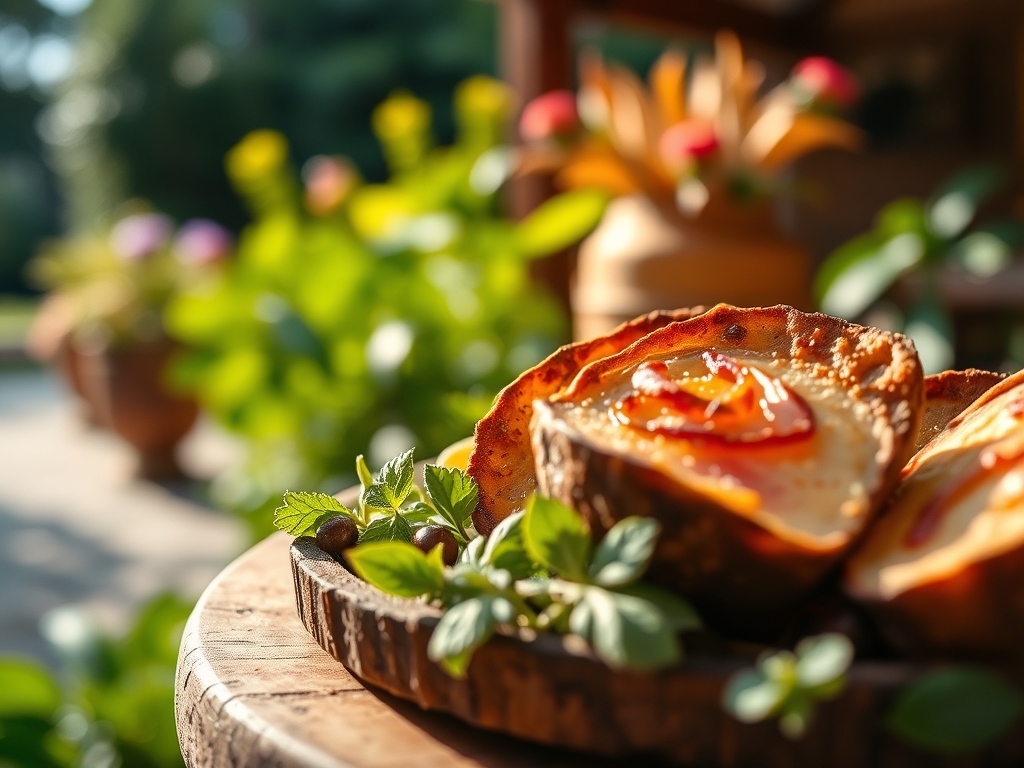
9 Authentic Ways How to Design a Mediterranean Patio
Crushed rosemary needles release volatile oils that signal a plant in peak metabolic health. The sharp, resinous scent indicates high terpene concentration, while the stiff turgor of a silver-leafed olive tree proves the vascular system is maintaining hydraulic pressure against the heat. Learning how to design a mediterranean patio requires more than aesthetic choices; it demands an understanding of the relationship between high solar radiation and rapid transpiration rates. You are building a microclimate that mimics the limestone-heavy coastal regions of Southern Europe. This environment relies on thermal mass and precise drainage to prevent root rot during dormant cycles. Success is measured by the structural integrity of the wood and the specific gravity of the fruit. Every stone placed and every seedling planted must serve the physiological needs of drought-tolerant species.
Materials:
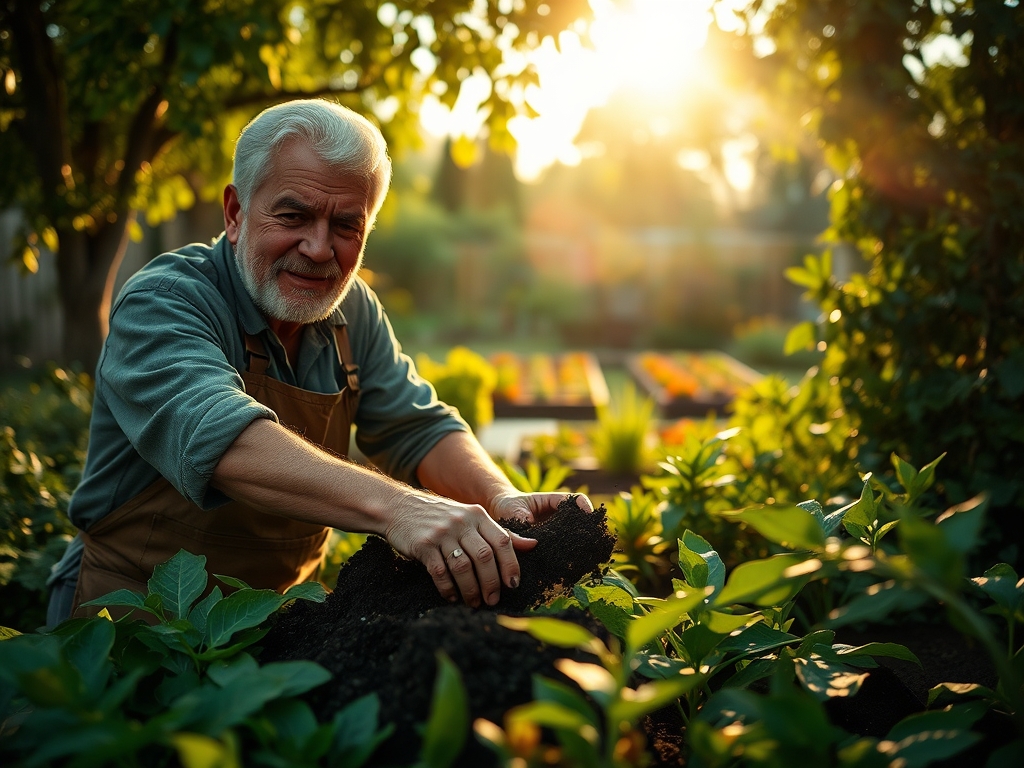
The foundation of a Mediterranean system is the substrate. Most species in this category, such as Lavandula or Rosmarinus, thrive in a **pH range of 6.5 to 7.5**. The soil must be a friable loam with a high percentage of inorganic matter like perlite or crushed volcanic rock to increase the **Cation Exchange Capacity (CEC)** while ensuring rapid drainage.
For container-grown specimens, use a specialized NPK ratio. During the vegetative stage, a 5-5-5 balanced organic fertilizer maintains steady growth without causing succulent, weak tissue. Once the plant enters the reproductive stage, shift to a 4-8-12 ratio. High potassium (K) is essential for regulating stomatal conductance and increasing cellular solute concentration, which protects the plant during heat waves. Avoid heavy clays that collapse the rhizosphere; the goal is a soil structure that allows oxygen to reach the roots within minutes of a rain event.
Timing:
Mediterranean landscapes are most successful in USDA Hardiness Zones 8 through 11. In these regions, the primary growth window opens when soil temperatures consistently hit 60 degrees Fahrenheit (15.5 Celsius). The biological clock of these plants is dictated by the photoperiod. Long days trigger the transition from vegetative leaf production to reproductive flowering.
Planting should occur in the early autumn or late spring to avoid the shock of extreme frost or peak summer desiccation. If you are in Zone 7, you must utilize the thermal mass of stone walls to create a warmer pocket. The "Biological Clock" of a Mediterranean patio is a cycle of winter dormancy followed by a rapid spring surge. Monitor the first and last frost dates with precision; a late frost can cause ice crystals to form within the cell walls of tender new growth, leading to permanent vascular collapse.
Phases:
Sowing and Propagation
Start seeds in a sterile medium at a depth of 0.25 inches. Maintain a constant temperature of 70 degrees Fahrenheit. Use bottom heat to stimulate radical emergence.
Pro-Tip: Ensure adequate light intensity to prevent "leggy" growth. This avoids auxin suppression, where the plant redirects all energy to the apical meristem in a desperate search for light, resulting in a weak structural stem that cannot support future biomass.
Transplanting
When moving a plant from a nursery pot to the patio, the root ball must be teased out to prevent girdling. Dig a hole twice as wide as the root ball but no deeper. Ensure the root flare remains at the soil surface level to prevent crown rot.
Pro-Tip: Inoculate the planting hole with mycorrhizal fungi. This creates a symbiotic relationship where the fungi extend the root system's reach, increasing the uptake of phosphorus and water in lean, rocky soils.
Establishing the Microclimate
The final phase involves the placement of hardscaping. Use terracotta or natural stone with high thermal emissivity. These materials absorb heat during the day and radiate it back to the plants at night, stabilizing the ambient temperature.
Pro-Tip: Position silver-leafed plants in the highest light intensity areas. The tiny white hairs (trichomes) on the leaves reflect sunlight, reducing the leaf surface temperature and minimizing transpiration rates through the stomata.
The Clinic:
Physiological disorders often mimic disease but are usually the result of environmental stress or nutrient imbalances.
-
Symptom: Interveinal chlorosis (yellowing between green veins) on new leaves.
Solution: This indicates an Iron (Fe) deficiency, often caused by high soil pH locking up micronutrients. Lower the pH using elemental sulfur to reach a 6.5 target. -
Symptom: Leaf tip burn or marginal necrosis.
Solution: This is often Salt Toxicity. In arid patio environments, fertilizers and tap water leave mineral salts behind. Flush the soil with 3 gallons of rainwater per square foot to leach the salts below the root zone. -
Symptom: Sudden wilting despite moist soil.
Solution: Phytophthora root rot. The roots have become anaerobic. Improve drainage immediately by adding 20% coarse horticultural grit to the soil mix. -
Symptom: Pale green overall growth and stunted height.
Solution: Nitrogen (N) chlorosis. Apply a quick-release organic fish emulsion with a 5-1-1 NPK to restore chlorophyll production.
Maintenance:
Precision is the difference between a surviving plant and a thriving one. Established Mediterranean plants require 1 to 1.5 inches of water per week, delivered directly at the drip line rather than the trunk. Use a soil moisture meter to verify that the top 3 inches of soil have dried out before re-irrigating.
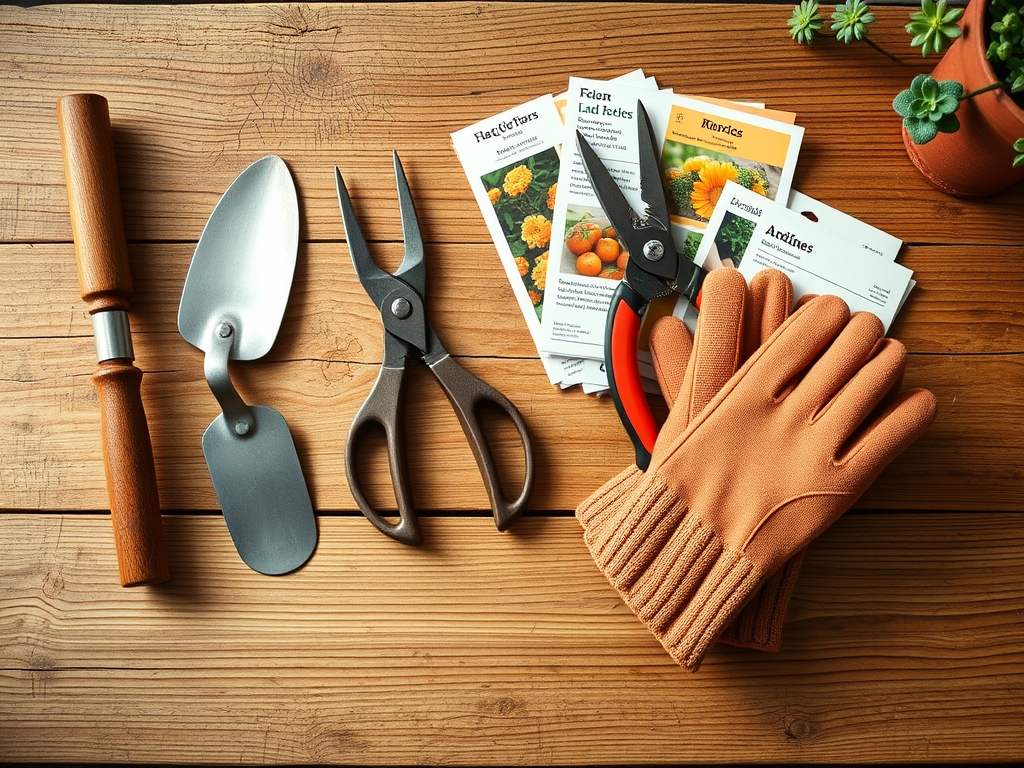
Pruning is a surgical necessity. Use bypass pruners for clean cuts that heal quickly; anvil pruners crush the vascular tissue. For harvesting herbs or removing deadwood in tight spaces, a hori-hori knife is the superior tool for both weeding and precision digging. Prune after the first flush of growth in spring to maintain air circulation through the canopy, which reduces the risk of fungal pathogens in the humid microclimate of a crowded patio.
The Yield:
When harvesting Mediterranean herbs like oregano or thyme, timing is critical. Harvest in the early morning after the dew has evaporated but before the sun reaches its zenith. This is when the essential oil concentration is at its peak. Use sharp snips to take no more than one-third of the plant's total biomass at one time.
For flowers like Lavender, harvest when the bottom third of the buds on the spike have just opened. To maintain "day-one" freshness and potency, keep the harvested stems out of direct sunlight and move them to a cool, dark area with high airflow immediately. This prevents the oxidation of the delicate aromatic compounds.
FAQ:
What is the best soil for a Mediterranean patio?
Use a well-draining, gritty mix with a pH of 6.5 to 7.5. Incorporate 30% inorganic matter like crushed gravel or perlite to ensure high oxygen levels in the rhizosphere and prevent root rot during wet winters.
How often should I water my patio plants?
Provide 1 to 1.5 inches of water weekly during the growing season. Always check the soil with a moisture meter; only irrigate when the top 3 inches of substrate are completely dry to maintain proper turgor.
Can I grow Mediterranean plants in cold climates?
Yes, if you utilize thermal mass. Place containers against south-facing stone walls to absorb heat. In Zones 7 and below, move sensitive species indoors or provide heavy mulch to protect the root system from freezing.
Why are my lavender leaves turning yellow?
Yellowing is usually Nitrogen chlorosis or poor drainage. Ensure the NPK ratio is balanced and the soil is not waterlogged. If the veins remain green, it is likely an Iron deficiency caused by excessively high soil alkalinity.