5 Proven Ways How to Treat Leaf Spot Diseases
Crushing a handful of damp, friable loam reveals the earthy scent of geosmin; this indicates a high microbial activity within the rhizosphere. Healthy foliage maintains high turgor pressure, keeping cell walls rigid and leaves upright. When necrotic lesions appear, they disrupt photosynthesis and vascular transport. Understanding how to treat leaf spot diseases requires a technical grasp of fungal sporulation and bacterial colonization. Prompt intervention prevents the pathogen from reaching the plant's systemic tissues and ensures long-term vigor.
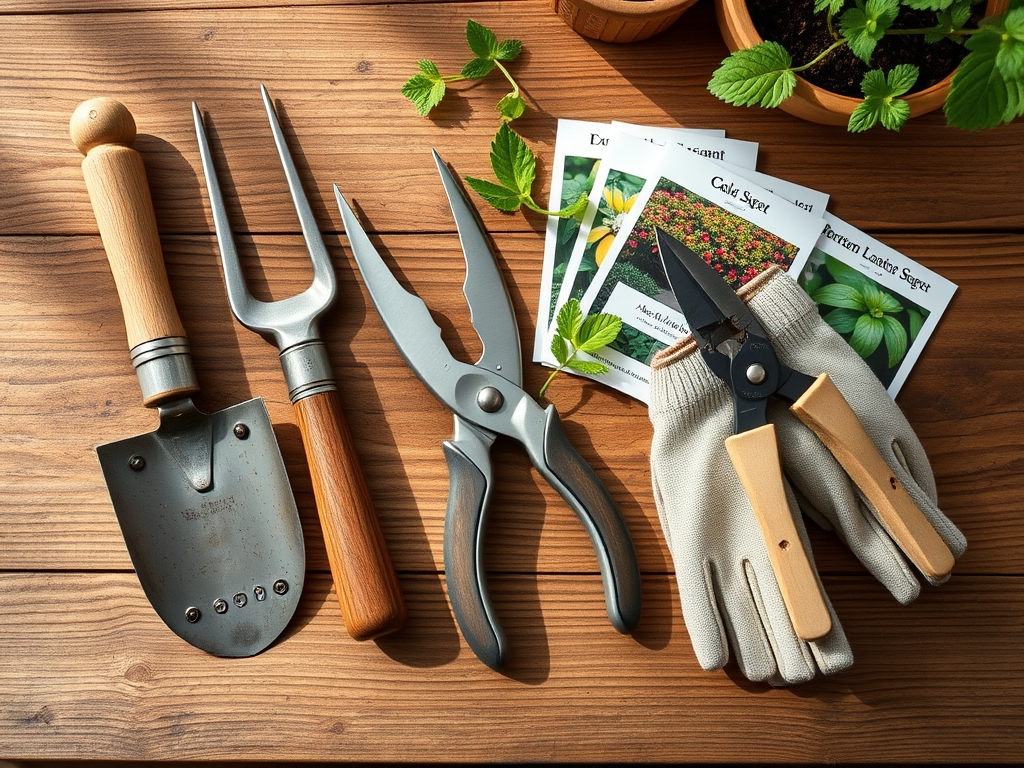
Materials:
Successful mitigation starts with the substrate and nutrient availability. A soil pH between 6.2 and 6.8 is optimal for most vascular plants to maximize nutrient uptake. High Cation Exchange Capacity (CEC) ensures the soil retains essential minerals against leaching.
- Substrate: Use a friable loam composed of 40 percent sand, 40 percent silt, and 20 percent clay. This texture ensures a balance between drainage and moisture retention.
- NPK Ratios: Apply a 10-10-10 balanced fertilizer for general maintenance. If the plant is in a recovery phase, a 5-10-5 ratio encourages root development without forcing excessive, vulnerable soft tissue growth.
- Fungicidal Agents: Copper octanoate or potassium bicarbonate solutions are standard for surface sterilization.
- Sanitation: 70 percent isopropyl alcohol for tool sterilization to prevent cross-contamination of spores.
Timing:
Hardiness Zones 4 through 9 represent the highest risk periods for leaf spot pathogens. Fungal spores typically activate when ambient temperatures reach 65 to 75 degrees Fahrenheit accompanied by relative humidity above 85 percent.
The biological clock of the plant dictates its vulnerability. During the transition from the vegetative stage to the reproductive stage, the plant reallocates carbohydrates to flower and seed production. This shift often results in a temporary dip in systemic resistance. Monitor your crops closely during the "bolting" phase or when flower buds first set. In Zone 7, the primary infection window opens in late April after the last frost date and peaks during the humid nights of July.
Phases:

Sowing and Site Selection
Ensure proper spacing to facilitate laminar airflow across the leaf surface. For most mid-sized perennials, this means a minimum of 18 to 24 inches between stems. Crowded canopies create microclimates of stagnant, moist air that act as incubators for Cercospora and Septoria fungi.
Pro-Tip: Proper spacing utilizes the venturi effect; as wind passes through narrowed gaps between plants, it accelerates, effectively stripping away excess moisture from the leaf cuticle.
Transplanting and Hardening Off
When moving starts from a controlled environment to the field, the cuticle must thicken to resist mechanical penetration by fungal hyphae. Gradually increase UV exposure over 7 to 10 days. Ensure the root ball is set at a depth where the crown sits exactly at the soil line to prevent crown rot.
Pro-Tip: Maintaining high turgor pressure during transplanting prevents micro-fissures in the epidermis. These microscopic tears are the primary entry points for bacterial pathogens like Pseudomonas.
Establishing and Monitoring
During the first 21 days of field establishment, focus on deep root penetration. Use a soil moisture meter to ensure the top 2 inches of soil dry out between watering cycles. This prevents the surface from remaining a damp medium for spore germination.
Pro-Tip: Encourage mycorrhizal symbiosis by avoiding high-phosphorus fertilizers during the first two weeks. This fungal partnership extends the root system's reach, improving the plant's ability to uptake water and maintain cellular health.
The Clinic:
Identifying the specific physiological or pathological cause of leaf spots is critical for effective treatment.
- Symptom: Small, water-soaked spots with a yellow halo (chlorotic margin).
- Solution: This indicates a bacterial infection. Remove infected tissue immediately and avoid overhead irrigation. Apply a copper-based bactericide.
- Symptom: Concentric rings within a brown spot, resembling a target.
- Solution: This is likely Alternaria. Increase airflow and apply a sulfur-based fungicide every 7 to 14 days.
- Symptom: Interveinal chlorosis (yellowing between green veins) on new growth.
- Fix-It: This is an Iron deficiency, not a disease. Lower the soil pH or apply chelated iron to the rhizosphere.
- Symptom: General yellowing of lower leaves (senescence) starting from the tips.
- Fix-It: Nitrogen deficiency. Supplement with a high-nitrogen organic meal (e.g., blood meal) to restore chlorophyll production.
Maintenance:
Precision is the hallmark of professional horticulture. Apply exactly 1.5 inches of water per week at the drip line. Use a soil moisture meter to verify that moisture has penetrated 6 inches deep. Avoid wetting the foliage; use drip tape or a soaker hose to keep the leaf surface dry.
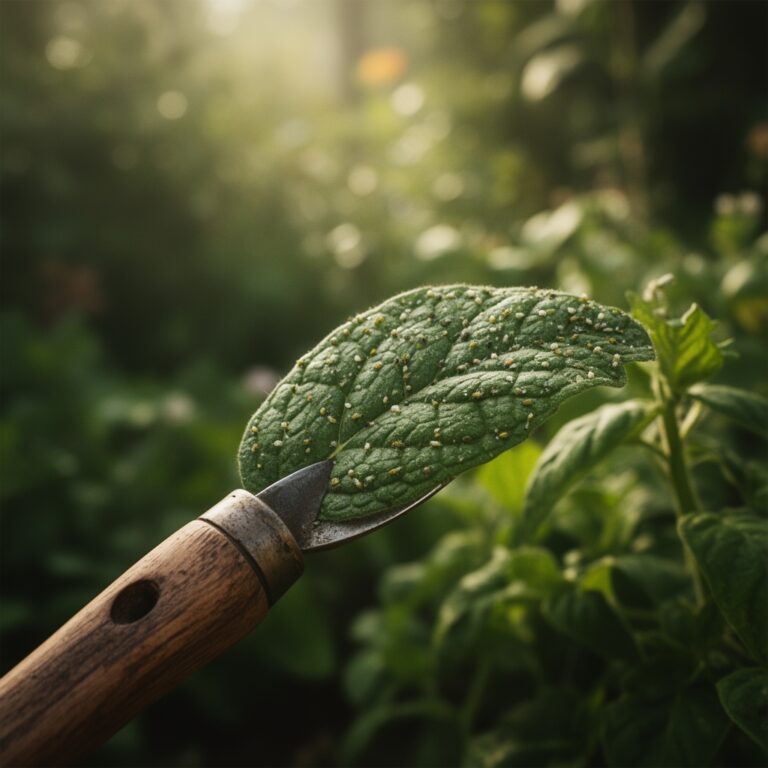
Maintain your tools with rigor. Use bypass pruners for clean cuts that callouse quickly. A ragged cut from an anvil pruner crushes the vascular tissue, leading to localized necrosis. When removing spotted leaves, use a hori-hori knife to weed out any alternative hosts in the immediate vicinity. Sterilize your blades between every single plant to halt the mechanical transmission of pathogens.
The Yield:
For ornamental plants, harvest flowers when the first two petals begin to unfurl. For edible greens, harvest in the early morning when turgor pressure is at its peak. This ensures the cells are fully hydrated, extending the shelf life.
Post-harvest, plunge the stems into 40-degree Fahrenheit water to remove field heat rapidly. This process, known as hydro-cooling, slows down the metabolic rate and delays senescence. If you are treating a crop for leaf spot, never compost the infected debris. The heat of a standard compost pile rarely reaches the 140 degrees Fahrenheit required to kill fungal spores. Bag and dispose of all diseased material off-site.
FAQ:
How do I identify fungal leaf spot?
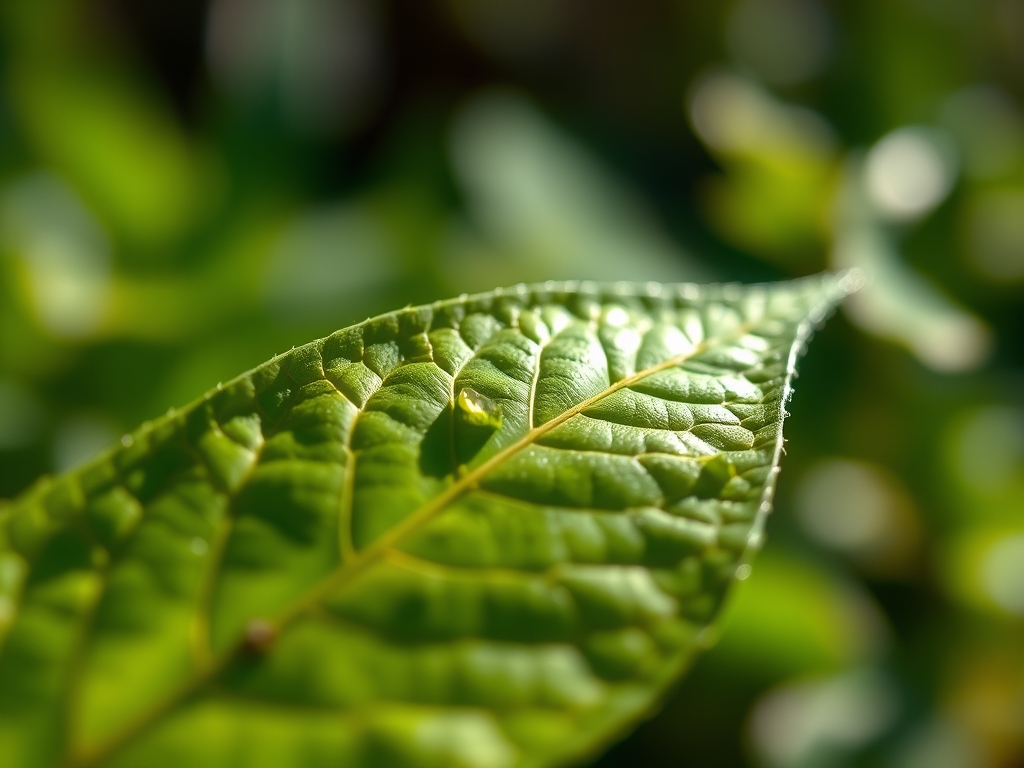
Fungal spots often feature dark fruiting bodies (black dots) in the center of the lesion. They typically have distinct margins and may show concentric rings. Use a 10x hand lens to inspect the necrotic tissue for fungal structures.
Can I use baking soda for leaf spot?
Potassium bicarbonate is more effective than sodium bicarbonate (baking soda). Mix 1 tablespoon per gallon of water with a drop of horticultural soap. This alters the leaf surface pH, making it inhospitable for fungal spore germination and hyphal growth.
Is leaf spot disease systemic?
Most leaf spot pathogens are localized to the foliage. However, if left untreated, they can cause premature leaf drop. This weakens the plant, making it susceptible to systemic secondary infections or environmental stressors like drought and extreme temperature fluctuations.
How does mulch prevent leaf spot?
Mulch acts as a physical barrier. It prevents soil-borne spores from splashing onto the lower leaves during rain or irrigation. Apply a 2-inch layer of arborist wood chips, keeping the material at least 3 inches away from the plant stem.