8 Best Powdery Mildew Remedies Indoors
Healthy foliage maintains a high turgor pressure that resists the mechanical penetration of fungal hyphae. When the indoor environment stagnates, the smell of damp earth shifts toward a cloying, musty odor. This indicates the arrival of Podosphaera or Golovinomyces species. Identifying the best powdery mildew remedies indoors requires an understanding of how moisture films on leaf surfaces facilitate spore germination. These obligate biotrophs thrive in high humidity but paradoxically require dry leaf surfaces for spore dispersal. To maintain a sterile and productive indoor grow space, one must manipulate the microclimate and chemical profile of the phyllosphere. Preventing the white, flour-like coating on your Monstera or indoor vegetable crops involves more than surface cleaning; it requires a systemic approach to plant health and atmospheric control. A plant with a robust cellular structure, supported by adequate silica and calcium, can often withstand the initial stages of infection. We will examine how to neutralize these pathogens using scientific protocols that prioritize the biological integrity of the plant.
Materials:
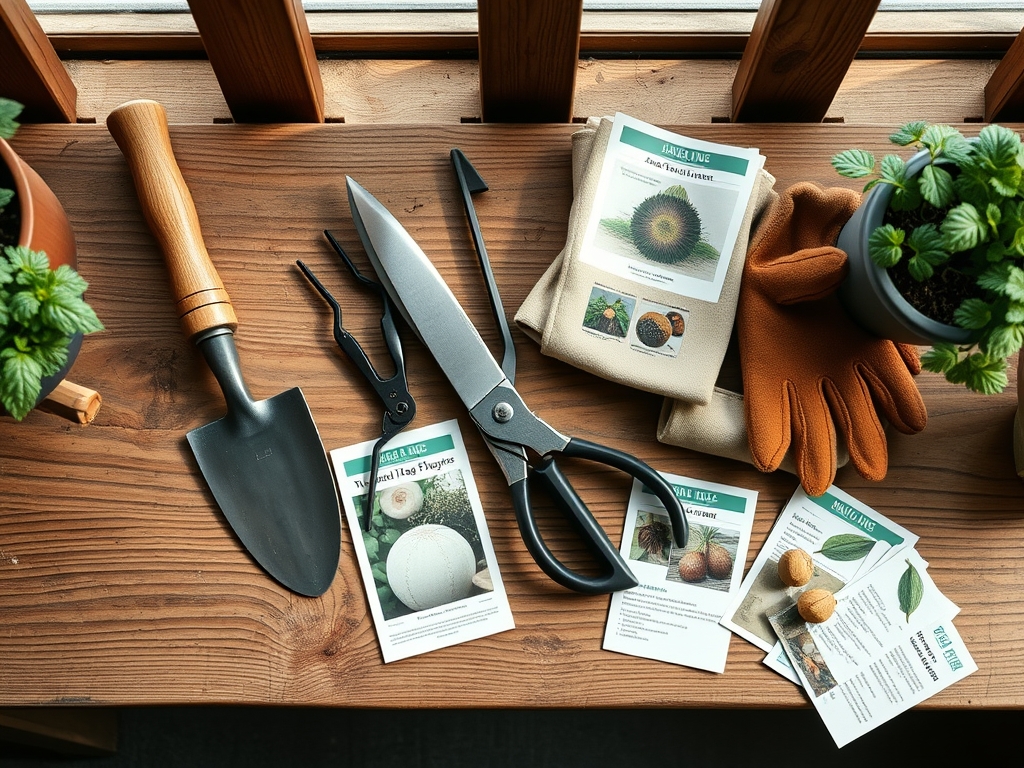
The foundation of fungal resistance begins in the rhizosphere. Use a friable loam substrate with a **Cation Exchange Capacity (CEC) between 15 and 25 meq/100g**. This ensures the plant can access micronutrients necessary for immune response. Maintain a **soil pH of 6.2 to 6.8** for most indoor tropicals to optimize nutrient bioavailability.
For the remedial solutions, gather the following:
- Potassium Bicarbonate: A food-grade buffering agent that shifts leaf surface pH to an alkaline state (above 8.0), which is lethal to fungal spores.
- Neem Oil (Cold-Pressed): Must contain at least 3,000 ppm of Azadirachtin to act as an effective antifeedant and fungicide.
- Wetting Agent: A non-ionic surfactant or castile soap to reduce surface tension.
- Fertilizer: An NPK ratio of 5-10-10 is preferred during an outbreak. High nitrogen (the first number) encourages succulent new growth that is highly susceptible to fungal penetration.
- Silica Supplement: Potassium silicate (0-0-3) to strengthen cell walls.
Timing:
Indoor gardening bypasses traditional Hardiness Zones; however, the internal environment must mimic the ideal conditions of Zones 10 through 12 for most houseplants. The "Biological Clock" of the plant dictates its vulnerability. During the transition from the vegetative stage to the reproductive stage (flowering), the plant reallocates energy from leaf defense to fruit or seed production. This is when powdery mildew typically strikes.
Monitor the photoperiod closely. For indoor crops, a 12-hour light and 12-hour dark cycle can trigger senescence in some species, weakening their natural defenses. Ensure the ambient temperature remains between 68 and 75 degrees Fahrenheit with a relative humidity below 50 percent to inhibit spore germination.
Phases:

Sowing and Preparation
Start with sterilized seeds or cuttings in a medium with a water-holding capacity of 60 percent. Ensure the containers have adequate drainage to prevent anaerobic conditions in the root zone.
Pro-Tip: Incorporate Glomus intraradices, a mycorrhizal fungus, into the starter mix. This symbiotic relationship increases the surface area of the root system, enhancing phosphorus uptake which is vital for cellular energy (ATP) and systemic acquired resistance.
Transplanting
When the plant develops its second set of true leaves, move it to its permanent vessel. Use a hori-hori knife to tease out circling roots, ensuring the root crown remains at the soil surface level to prevent stem rot.
Pro-Tip: Avoid excessive handling to protect the cuticular wax on the leaves. This wax acts as a physical barrier against pathogens; mechanical damage creates entry points for fungal spores through a process known as thigmomorphogenesis.
Establishing and Remediation
Once the plant is established, begin a preventative foliar spray regimen every 14 days. If white spots appear, increase the frequency to every 5 to 7 days. Use a solution of 1 tablespoon of potassium bicarbonate per gallon of water.
Pro-Tip: Apply sprays during the "lights-off" period or in the early morning. This prevents phytotoxicity, where the combination of intense light and topical treatments causes leaf burn due to the magnification of light through water droplets.
The Clinic:
Physiological disorders often mimic or exacerbate fungal infections.
- Symptom: Interveinal chlorosis on older leaves.
Solution: This indicates a Magnesium deficiency. Magnesium is the central atom in the chlorophyll molecule. Apply a foliar drench of 1 teaspoon of Epsom salts (Magnesium Sulfate) per gallon of water.
2. Symptom: Leaf tip burn and distorted new growth.
Solution: This suggests a Calcium deficiency. Calcium is immobile within the plant. Increase airflow to boost transpiration, which pulls calcium from the roots to the growing tips.
3. Symptom: Yellowing of lower leaves while veins remain green.
Fix-It: Nitrogen chlorosis. While nitrogen is needed, an excess during a mildew outbreak is dangerous. Use a balanced 10-10-10 fertilizer at half-strength to stabilize the plant without forcing soft, vulnerable growth.
Maintenance:
Precision is the hallmark of a master horticulturist. Use a soil moisture meter to ensure the substrate dries to a level 3 or 4 before re-watering. Generally, provide 1.5 inches of water per week, delivered directly to the soil to keep the foliage dry.
Use bypass pruners to remove any leaf with more than 30 percent fungal coverage. Sterilize the blades with 70 percent isopropyl alcohol between every single cut to prevent cross-contamination. Increase air circulation by installing an oscillating fan that provides a gentle breeze; this breaks the "boundary layer" of humid air clinging to the leaf surface. Check the undersides of leaves weekly, as this is where spores often hide before becoming visible on the adaxial (top) surface.
The Yield:
For indoor herbs or fruiting plants, harvest when the essential oil concentration is at its peak. This is usually just before the plant reaches full anthesis (flowering). Use sharp snips to make clean cuts at a 45-degree angle above a node. To maintain "day-one" freshness, immediately place the stems in water cooled to 40 degrees Fahrenheit. This rapid cooling slows the metabolic rate and preserves the sugars and volatile compounds within the tissues. For non-edible ornamentals, removing spent blooms (deadheading) prevents the plant from entering the senescence phase, extending its lifespan and maintaining its resistance to powdery mildew.
FAQ:
What is the fastest way to kill powdery mildew indoors?
A mixture of one part milk to nine parts water creates an antiseptic effect when exposed to light. The proteins in milk produce oxygen radicals that damage the fungal mycelium without harming the plant's vascular system.
Can baking soda cure powdery mildew?
Sodium bicarbonate is effective but can cause sodium buildup in the soil. Potassium bicarbonate is the superior choice for indoor plants because it provides essential potassium while safely raising the leaf pH to inhibit fungal growth.
Does cinnamon work for powdery mildew?
Cinnamon contains cinnamaldehyde, which has mild antifungal properties. However, it is more effective as a preventative soil top-dressing for "damping off" than as a curative foliar treatment for an established powdery mildew infection.
How do I prevent mildew from returning?
Improve air exchange using an exhaust fan to maintain CO2 levels around 400-600 ppm. Keep relative humidity below 50 percent and ensure no standing water remains on leaves after the light cycle ends.