9 Critical Steps to Fix Yellowing Houseplant Leaves
Healthy foliage is defined by turgor pressure; the internal fluid force that keeps a leaf rigid and upright. When that pressure fails, cells collapse and the chlorophyll begins to degrade. This process, known as chlorosis, is the primary indicator that the rhizosphere is compromised. Understanding the specific steps to fix yellowing houseplant leaves requires a clinical assessment of the plant's metabolic state. You must identify whether the yellowing is localized to older growth or spreading to new shoots. A systematic approach to soil chemistry and moisture levels will reverse the decline before the plant enters permanent senescence.
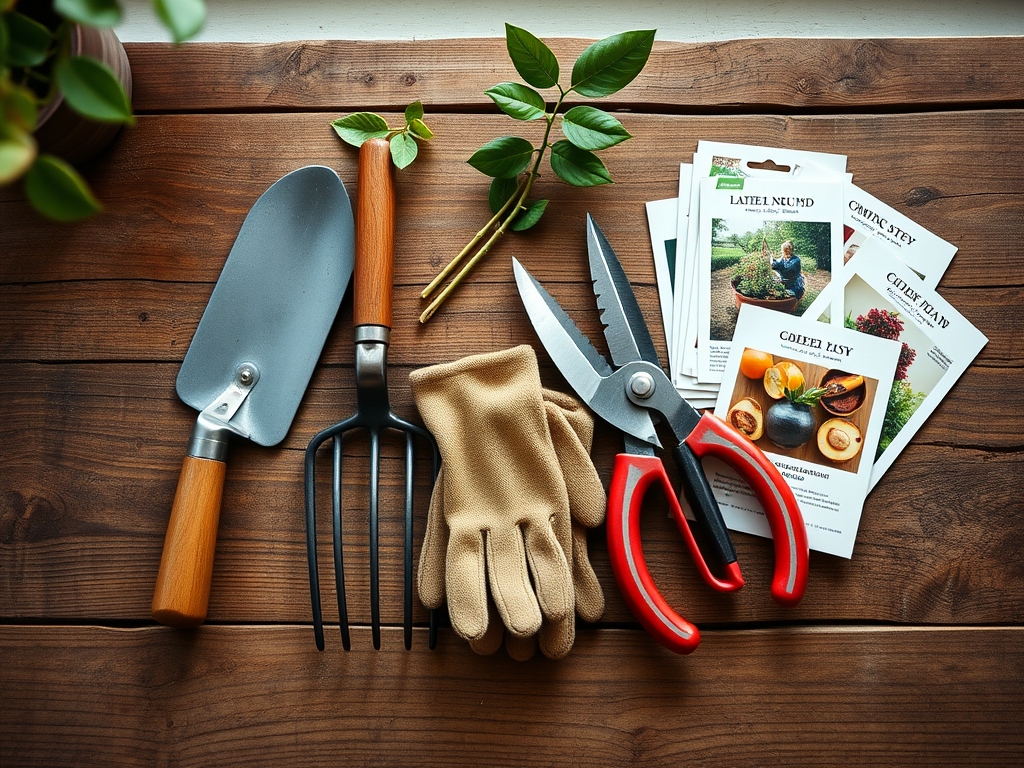
Materials:
The foundation of recovery is a substrate with a high Cation Exchange Capacity (CEC). This allows the soil to hold onto essential nutrients like ammonium and potassium. Use a friable loam consisting of 40 percent peat or coco coir, 30 percent perlite for aeration, and 30 percent composted organic matter.
For general maintenance, maintain a soil pH between 6.0 and 7.0. Specific nutrient ratios are required based on the growth stage:
- Vegetative Recovery: A high-nitrogen NPK ratio of 3-1-2 to stimulate chlorophyll production.
- Root Development: A phosphorus-heavy NPK ratio of 1-3-1 to repair damaged vascular tissue.
- General Stability: A balanced 10-10-10 water-soluble fertilizer applied at half strength.
Timing:
Most houseplants originate from tropical climates, specifically Hardiness Zones 10 through 12. They do not have a traditional frost-date window but respond heavily to the photoperiod. As daylight hours decrease in autumn, the plant's biological clock triggers a shift from the vegetative stage to a dormant or semi-dormant state. During this transition, the metabolic rate slows. Applying heavy fertilizers or overwatering during this period will lead to root rot. Perform major corrective actions during the active growing season, typically when indoor temperatures remain consistently between 65 and 75 degrees Fahrenheit.
Phases:

Sowing and Propagation
When starting new plants to replace failed specimens, ensure the medium is sterile. Maintain a constant bottom heat of 70 degrees Fahrenheit using a germination mat. This accelerates cellular division in the meristematic tissue.
Pro-Tip: Utilize auxin suppression by pinching off the terminal bud. This redirects the plant's energy to lateral buds, creating a bushier habit and preventing the "leggy" growth that often precedes yellowing.
Transplanting
Move the plant only when the roots have circled the perimeter of the current container. Select a new pot that is no more than 2 inches wider in diameter. Gently tease the root ball to break the circular growth pattern. Ensure the crown of the plant sits exactly at the soil surface.
Pro-Tip: Introduce mycorrhizal symbiosis by dusting the root ball with fungal spores. These fungi extend the reach of the root system, increasing the surface area for phosphorus absorption by up to 100 times.
Establishing
The first 14 to 21 days after a transition are critical. Keep the plant in bright, indirect light to manage transpiration rates. Avoid direct sun, which can cause photo-oxidation on leaves already weakened by chlorosis.
Pro-Tip: Monitor phototropism by rotating the pot 90 degrees every week. This ensures even distribution of light across the canopy, preventing the lower leaves from yellowing due to light starvation.
The Clinic:
Physiological disorders often mimic nutrient deficiencies. Use this diagnostic guide to isolate the cause.
-
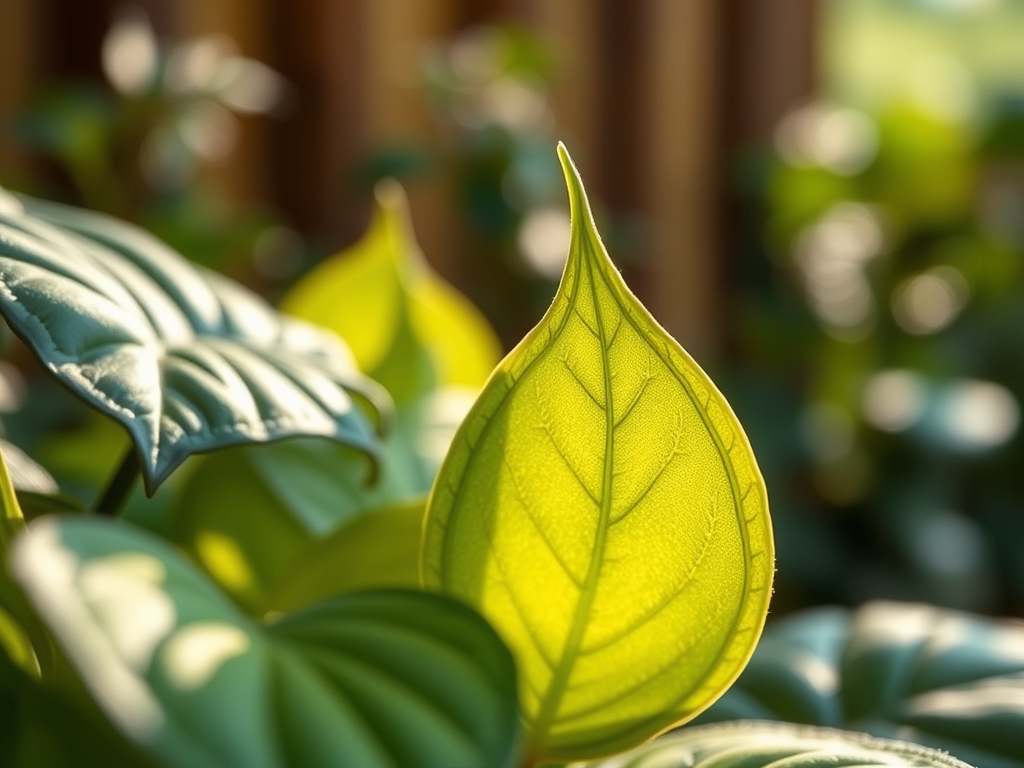
Symptom: Interveinal chlorosis (yellow leaves with green veins) on new growth.
-
Solution: This indicates an Iron (Fe) deficiency. Iron becomes immobile at a pH above 7.0. Lower the soil pH using elemental sulfur or chelated iron drench.
-
Symptom: Uniform yellowing of the oldest, lowest leaves.
-
Solution: This is Nitrogen (N) chlorosis. The plant is scavenging nitrogen from old leaves to support new growth. Apply a high-nitrogen liquid fertilizer immediately.
-
Symptom: Yellowing accompanied by soft, brown mushy stems at the base.
-
Solution: This is Pythium root rot caused by anaerobic soil conditions. Remove the plant, prune dead roots with sterilized shears, and repot in a high-perlite mix.
-
Symptom: Yellow leaf margins with scorched, brown tips.
-
Solution: This suggests Potassium (K) deficiency or salt buildup from tap water. Flush the soil with distilled water equal to three times the volume of the pot.
Maintenance:
Precision is the difference between a thriving plant and a dying one. Use a soil moisture meter to check the substrate at a depth of 3 inches. Most tropical plants require the top inch of soil to dry out before the next hydration cycle. When watering, apply enough volume so that 10 percent of the water drains from the bottom holes; this leaches out excess mineral salts.
Keep a hori-hori knife for dividing root-bound perennials and bypass pruners for clean cuts. Dull blades crush the vascular tissue, creating an entry point for pathogens. Sanitize tools with 70 percent isopropyl alcohol between every plant to prevent cross-contamination of viral infections.
The Yield:
For flowering houseplants like Spathiphyllum or Anthurium, the yield is measured in bloom longevity. To maintain "day-one" freshness, prune spent flowers at the base of the pedicel. This prevents the plant from wasting energy on seed production and redirects sugars back to the foliage. If harvesting herbs grown indoors, never remove more than 30 percent of the leaf mass at one time to avoid systemic shock.
FAQ:
How do I know if I am overwatering or underwatering?
Overwatered leaves feel soft and limp; underwatered leaves feel crisp and brittle. Use a soil moisture meter to verify. If the meter reads in the "red" zone consistently, the roots are likely suffocating from a lack of oxygen.
Can yellow leaves turn green again?
If the yellowing is caused by a mobile nutrient deficiency like Nitrogen, the leaf may recover. However, if the cellular structure has reached senescence or suffered severe tissue necrosis, the leaf will eventually drop and should be removed.
What role does humidity play in leaf color?
Low humidity increases the transpiration rate, forcing the plant to lose water faster than the roots can absorb it. This leads to tip burn and eventual chlorosis. Maintain a relative humidity of 50 to 60 percent for most tropical species.
Why is my plant yellowing after I moved it?
This is acclimatization stress. The plant is adjusting its leaf morphology to new light levels. Sudden changes in light intensity can disrupt the photosynthetic electron transport chain, causing temporary pigment loss as the plant reconfigures its internal chemistry.