7 Best Yellow Sticky Traps for Gnats
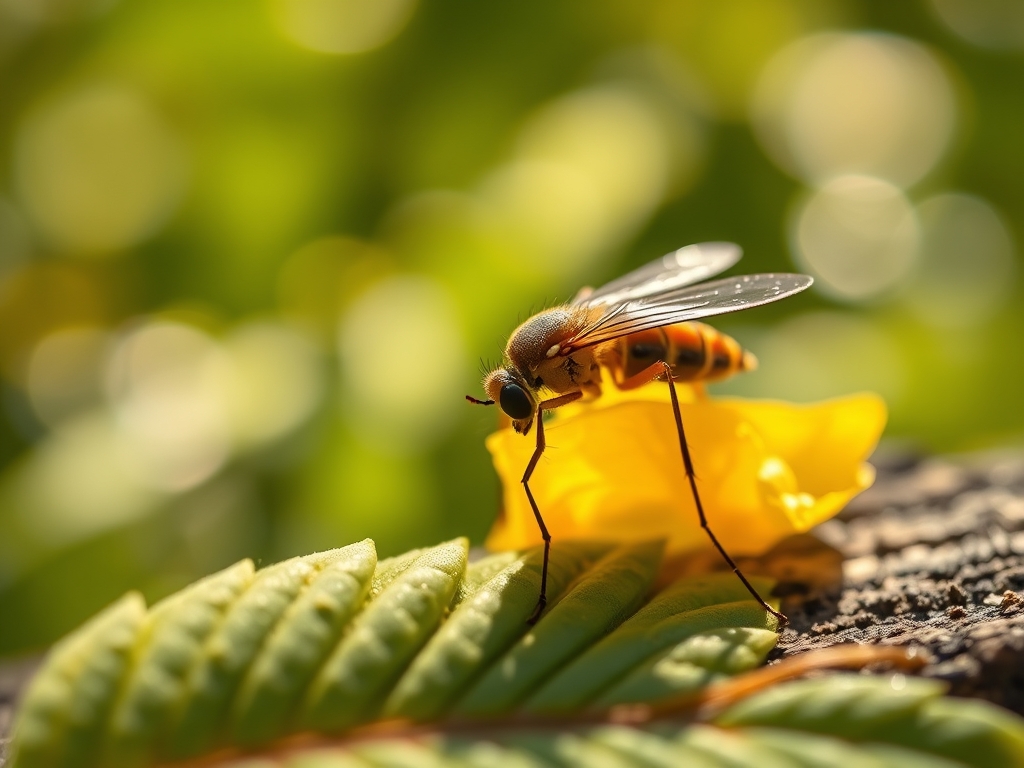
Fungus gnats cluster around the soil line of your houseplants and seedling trays, their larvae chewing through tender root hairs and spreading pythium rot. The best yellow sticky traps for gnats intercept adult flies during their 7-10 day reproductive window, breaking the breeding cycle before populations explode. Yellow wavelengths between 550-580 nanometers trigger phototactic responses in Bradysia and Sciaridae species, drawing them away from foliage and onto adhesive surfaces.
Commercial greenhouse operations report 80-90% adult capture rates when traps are positioned at canopy height, one trap per 200 square feet. Home growers see similar results with strategic placement near drainage holes and along windowsills where soil moisture evaporation creates microclimates that attract egg-laying females. The traps function as both monitoring tools and direct control, offering a pesticide-free intervention that preserves beneficial soil fauna including predatory mites and rove beetles.
Materials
The substrate composition in your growing medium determines gnat pressure. Soil mixes with high peat content (pH 3.5-4.5) retain moisture longer and create anaerobic pockets where fungus gnat larvae thrive. Incorporate 30% perlite or pumice to improve air-filled porosity to 15-20%. Top-dress with 0.25-inch layer of horticultural sand or diatomaceous earth to desiccate eggs deposited at the soil surface.
Yellow sticky trap effectiveness depends on adhesive formulation. Non-drying polybutene compounds remain tacky across temperature ranges of 40-95°F without hardening or releasing volatile organic compounds that might stress sensitive species. UV-resistant substrates maintain color integrity under grow lights (PAR 400-700 nm) for 8-12 weeks.
Pair traps with biological controls for integrated pest management. Steinernema feltiae nematodes applied as soil drenches at 50 million per 1,000 square feet parasitize larvae within 48 hours. Bacillus thuringiensis israelensis (Bti) granules activate in moist soil, releasing crystal proteins that disrupt larval gut membranes. Neither intervention affects mycorrhizal colonization or cation exchange capacity in established root zones.
Timing
Deploy traps at the first sign of adult activity, typically when soil temperatures rise above 60°F and relative humidity exceeds 70%. In USDA Hardiness Zones 9-11, outdoor container plants face year-round gnat pressure. Indoor growers should increase trap density during late winter when supplemental heating reduces air circulation and extends soil drying periods.
Installation timing aligns with transplant schedules. Position traps 24 hours before moving seedlings into larger containers to intercept adults emerging from disturbed substrate. Replace traps every 4-6 weeks or when surface coverage reaches 80% capacity. Adults live 7-10 days, with females depositing 150-200 eggs in organic matter within 48 hours of emergence.
Monitor trap catches to identify population peaks. Three or more adults captured per trap over 24 hours indicates moderate infestation requiring immediate soil-drench treatment. Zero captures for 14 consecutive days signals successful suppression, though maintaining 1 trap per 100 square feet prevents recolonization.
Phases

Sowing: Fungus gnat larvae consume seed coats and emerging radicles, causing damping-off in vulnerable species. Insert 3-inch stakes with 2×3-inch trap cards directly into seed trays, positioning the adhesive surface 1 inch above the soil line. This height intercepts adults before they land to oviposit. Pro-Tip: Pre-treat seed-starting mix with Bti granules at 0.25 teaspoon per gallon of substrate to kill first-instar larvae before they reach feeding size.
Transplanting: Root disturbance releases carbon dioxide and organic volatiles that attract adult gnats to fresh planting sites. Place full-size 5×7-inch traps on stakes angled 15 degrees toward the plant base to maximize interception of incoming flights. The angled placement exploits adult flight patterns, which favor horizontal approaches rather than vertical descents. Pro-Tip: Water transplants with dilute kelp solution (0-0-1 NPK) containing cytokinins that accelerate lateral root development, reducing the window of vulnerability when damaged tissues emit attractive compounds.
Establishing: As plants develop dense canopies, adjust trap height weekly to maintain position at the upper foliage level where adults congregate before descending to soil. Secure traps to bamboo stakes or wire hangers that allow vertical repositioning without disturbing root zones. Pro-Tip: Apply granular slow-release fertilizer (14-14-14 NPK) in a 2-inch band 3 inches from the stem base to concentrate root growth away from the saturated center zone where gnats prefer to lay eggs.
Troubleshooting
Symptom: Traps capture few adults despite visible flying insects. Solution: Confirm species identification. Shore flies (Scatella species) resemble fungus gnats but show minimal attraction to yellow. They prefer white or clear traps positioned at soil level.
Symptom: High trap catches persist despite Bti applications. Solution: Check for hidden breeding sites in floor drains, sump areas, or cached organic debris. Adult gnats disperse 50-100 feet from larval habitat. Locate and eliminate satellite populations.
Symptom: Adhesive loses tackiness within 2 weeks indoors. Solution: Reduce exposure to airborne dust and aerosol sprays containing silicone. Position traps upstream of ventilation flow to minimize particulate accumulation.
Symptom: Seedlings show stunted growth and chlorosis despite low adult counts. Solution: Test soil EC (electrical conductivity) for excess soluble salts from over-fertilization, which creates conditions favoring both gnat reproduction and root damage. Flush with water to reduce EC below 2.0 mS/cm.
Maintenance
Irrigate containerized plants only when the top 1 inch of substrate dries completely. Fungus gnat eggs desiccate at soil moisture levels below 40% water-holding capacity. Use moisture meters calibrated for your substrate type, targeting readings of 4-5 on a 10-point scale between waterings.
Apply fertilizer as a dilute solution at 150-200 ppm nitrogen rather than top-dressing with granular formulations that create nitrogen-rich zones attractive to adult gnats. Balanced ratios (20-20-20 NPK) maintain steady auxin distribution without promoting the succulent growth that increases susceptibility to larval feeding damage.
Inspect traps every 3-4 days, photographing catches to document population trends. Replace individual traps when half the surface area is covered, even if the manufacturer's time window has not elapsed. Partial coverage reduces effectiveness by 60% as remaining clear space no longer presents a continuous yellow target.
FAQ
How many traps do I need per plant? One 5×7-inch trap per 4-6 medium containers (8-12 inch diameter) provides adequate coverage. Increase density to 1 trap per 2 containers during active infestations.
Do yellow traps harm beneficial insects? Parasitic wasps (Hymenoptera) show minimal attraction to yellow at 550-580 nm wavelengths. Reduce collateral capture by avoiding blue-spectrum traps (400-450 nm) that attract pollinators.
Can I reuse sticky traps? No. Adhesive degrades and dust accumulation reduces effectiveness by 70% after initial deployment. Attempting to clean or refresh surfaces compromises structural integrity.
When should I see results? Adult captures peak within 48-72 hours of installation. Population reduction becomes apparent in 2-3 weeks as the reproductive cycle breaks and larvae mature without replacement generations.
Do traps work outdoors? Yes, in covered patios or under shade structures. Direct rainfall and full sun degrade adhesive within 5-7 days. Use weatherproof formulations rated for outdoor exposure when monitoring perimeter plantings.