6 Vital Steps to Install Rain Barrels
Collecting rainwater transforms garden health while cutting municipal water costs by 40 percent during peak growing season. The steps to install rain barrels begin with understanding watershed flow, structural load limits, and seasonal overflow management. A 55-gallon barrel captures roughly 600 gallons annually from a 1,000-square-foot roof, delivering chlorine-free irrigation that preserves beneficial mycorrhizal fungi populations in soil. This water maintains a near-neutral pH of 6.5-7.0, ideal for nutrient uptake without the salts found in treated municipal supplies.
Materials
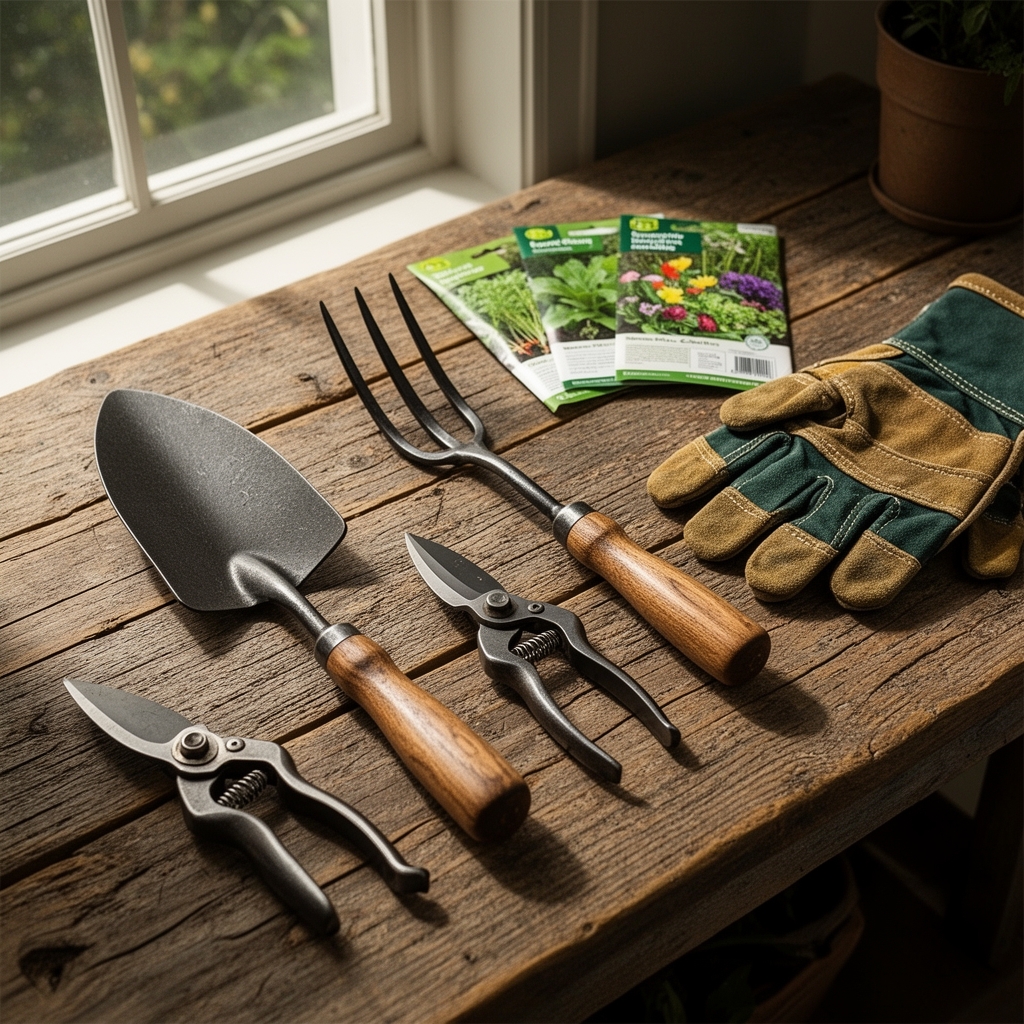
Select food-grade polyethylene barrels rated for outdoor UV exposure. Avoid containers that previously held petroleum products or industrial chemicals. The spigot assembly requires a 3/4-inch brass ball valve, PTFE thread tape, and rubber washers to prevent leaks. Silicone caulk (100% silicone, not acrylic hybrid) seals penetrations and maintains flexibility through freeze-thaw cycles.
A mesh screen with 1/16-inch openings excludes mosquito larvae while allowing particulate matter under 2mm. Cinder blocks or pressure-treated 4×4 lumber create a base 18-24 inches high, generating 0.43 PSI per foot of elevation for adequate drip-line pressure. The downspout diverter kit includes a flexible hose and first-flush valve that discards the initial 10 gallons containing roof debris and atmospheric deposition.
For multiple-barrel systems, link units with 1-inch PVC pipe fitted 2 inches from the bottom. This configuration allows gravity equalization and draws from all barrels simultaneously. Apply primer and cement rated for potable water systems. The overflow hose must be 1.25 inches minimum diameter, directing surplus away from foundations at a 2 percent grade.
Timing
Install rain barrels in USDA Hardiness Zones 3-10 between the last spring frost and first autumn rains. Northern zones (3-5) benefit from March-April installation, allowing system testing before June precipitation peaks. Southern zones (8-10) should prioritize October-November setup to capture winter rains that support cool-season brassicas and alliums requiring consistent 1-inch weekly moisture.
Inspect gutter systems two weeks before installation. Remove organic debris that clogs mesh screens and harbors pathogens. Spring installation permits observation of meltwater flow patterns and identifies low spots prone to pooling. Autumn placement allows winter disconnection in zones experiencing sustained subfreezing temperatures below 20°F, preventing ice expansion damage to spigots and barrel walls.
Phases
Site Selection: Position barrels beneath downspouts with shortest horizontal distance from roof edge. Measure from foundation: maintain 10 feet minimum or angle overflow away at 3-degree slope. Level the base platform within 1/4 inch per foot using a carpenter's level. Packed gravel beneath cinder blocks prevents settling and maintains stability under 440-pound load (55 gallons at 8 pounds per gallon).
Pro-Tip: Mark the platform outline with landscape paint before heavy rain to observe actual water sheet-flow patterns, adjusting placement 6-12 inches to capture maximum runoff.
Component Assembly: Drill the spigot hole 4 inches from the barrel bottom using a 7/8-inch spade bit. Deburr edges with 120-grit sandpaper to ensure gasket seal. Thread the spigot assembly from exterior to interior, tightening compression nut until resistance increases. Apply silicone bead around exterior threads, allowing 24-hour cure time.
Cut the barrel top using a jigsaw to create a 10-inch diameter opening offset 4 inches from center. This positioning accommodates downspout angle while maintaining structural integrity. Secure mesh screen with stainless steel hose clamps at 3-inch intervals. Install the overflow fitting at the opposite side, 3 inches below rim, using bulkhead fittings with double rubber gaskets.
Pro-Tip: Add 2 tablespoons of horticultural-grade mineral oil monthly to the water surface, creating a monomolecular film that suffocates mosquito pupae without harming plants or soil biology.
Downspout Integration: Measure downspout height at connection point. Cut with hacksaw 6 inches above barrel opening. Attach the diverter according to manufacturer specifications, ensuring the flexible inlet hose maintains a 15-degree downward slope. This angle prevents standing water that breeds pathogens and ice dams.
Test the system with a garden hose, simulating 1 inch of rainfall (approximately 20 gallons for a 10×15-foot roof section). Observe for leaks at all threaded connections, tightening or re-sealing as needed. Verify overflow discharge reaches the designated drainage area without erosion.
Pro-Tip: Install a secondary valve 6 inches above the primary spigot to maintain reserve water for transplant shock therapy, which requires immediate 2-gallon drench applications.
Troubleshooting
Symptom: Algae growth visible inside barrel, water develops green tint.
Solution: Coat interior with non-toxic black paint rated for potable water contact, blocking photosynthesis. Add 1/4 cup white vinegar per 50 gallons monthly to maintain pH below 6.0, inhibiting algae while remaining safe for acid-loving plants like blueberries and azaleas.
Symptom: Spigot flow slows to trickle despite full barrel.
Solution: Sediment and biofilm accumulate in valve seats. Disassemble spigot quarterly, soaking components in 10% vinegar solution for 2 hours. Flush barrel, scrubbing interior with bottle brush on extension pole. Reinstall with new PTFE tape.
Symptom: Winter ice cracks barrel walls or ruptures fittings.
Solution: Drain completely after first hard freeze (28°F for 4 consecutive hours). Store spigots indoors. Invert barrel or cover loosely to prevent snow melt accumulation while allowing air circulation that prevents mildew.
Symptom: Foundation dampness appears near barrel location.
Solution: Overflow hose gradient insufficient or blocked. Re-route with rigid 1.5-inch schedule-40 PVC sloped at 1/4 inch per foot minimum. Terminate in rock-filled drywell 15 feet from structure.
Maintenance
Flush entire system before first use each season, discarding initial 10 gallons. Inspect mesh screens biweekly during leaf-fall, removing debris that reduces catchment efficiency by 30 percent. Clean gutters in spring and autumn to maintain flow rates of 100 gallons per inch of rainfall.
Apply 1 inch of collected rainwater weekly to established perennials, 1.5 inches to annual vegetables during fruit set. Rainwater's low dissolved solids (under 50 ppm) prevent salt accumulation that inhibits cation exchange capacity in clay soils. The soft water enhances foliar absorption of compost tea applications by 25 percent compared to chlorinated municipal sources.
Rotate between barrels when operating multiple units, preventing stratification and anaerobic conditions. Add 1 tablespoon of 3% hydrogen peroxide per 50 gallons monthly to maintain dissolved oxygen above 6 ppm, the threshold for beneficial aerobic bacteria.
FAQ
How long do rain barrels last?
Food-grade polyethylene barrels withstand 15-20 years of outdoor use with annual maintenance. UV inhibitors prevent brittleness. Replace spigots every 5 years as gaskets degrade.
Can I connect rain barrels to drip irrigation?
Yes, but elevation must provide minimum 0.5 PSI (approximately 14 inches height). Install inline pressure regulator and 150-mesh filter to prevent emitter clogging from organic particulates.
Does rainwater need fertilizer supplementation?
Rainwater contains negligible NPK (typically 0.001-0.001-0.001). Apply balanced organic amendments like 4-4-4 feather meal blend at standard rates. Rainwater's neutral pH optimizes nutrient availability.
What if my roof has asphalt shingles?
First-flush diverters discard initial runoff containing petroleum residues and granules. Subsequent water remains safe for ornamentals and lawns. Avoid for edible crops within 30 days of harvest.
How do I calculate barrel capacity needed?
Multiply roof catchment area in square feet by 0.6 gallons per inch of rainfall. A 500-square-foot section yields 300 gallons during a 1-inch rain event. Size barrel capacity to 50% of single-event volume for optimal cycling.