6 Necessary Steps to Fix Drooping Houseplants
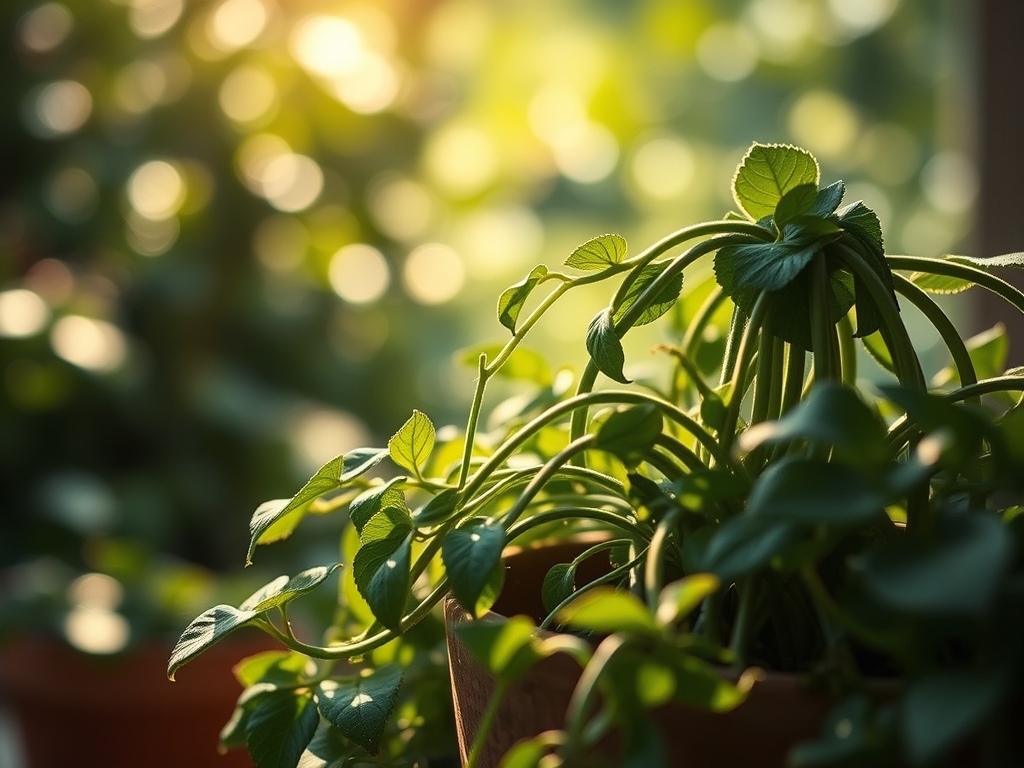
Turgor pressure is the engine of plant architecture. When water fills the vacuoles of a plant cell, it exerts internal force against the cell wall; this mechanical rigidity allows a leaf to remain horizontal for maximum light interception. A drooping plant is a failure of hydraulics. The scent of a healthy rhizosphere should be earthy and rich, indicating aerobic activity rather than the sour, anaerobic stench of root rot. To master the steps to fix drooping houseplants, you must move beyond superficial observation and analyze the cellular mechanics of the specimen. Drooping is a physiological signal of stress, often caused by an imbalance between transpiration rates and root uptake. Whether the cause is a lack of moisture or a compromised root system unable to process available water, the solution requires a systematic recalibration of the plant's environment. You must measure the soil density, assess the light intensity in foot-candles, and verify the integrity of the vascular system to restore structural stability.
Materials:
Substrate quality dictates the Cation Exchange Capacity (CEC), which is the soil’s ability to hold and exchange mineral cations. For most tropical houseplants, aim for a **pH range of 5.8 to 6.5**. The physical texture must be a friable loam: a mix of 40 percent peat or coco coir, 40 percent perlite for aeration, and 20 percent organic compost.
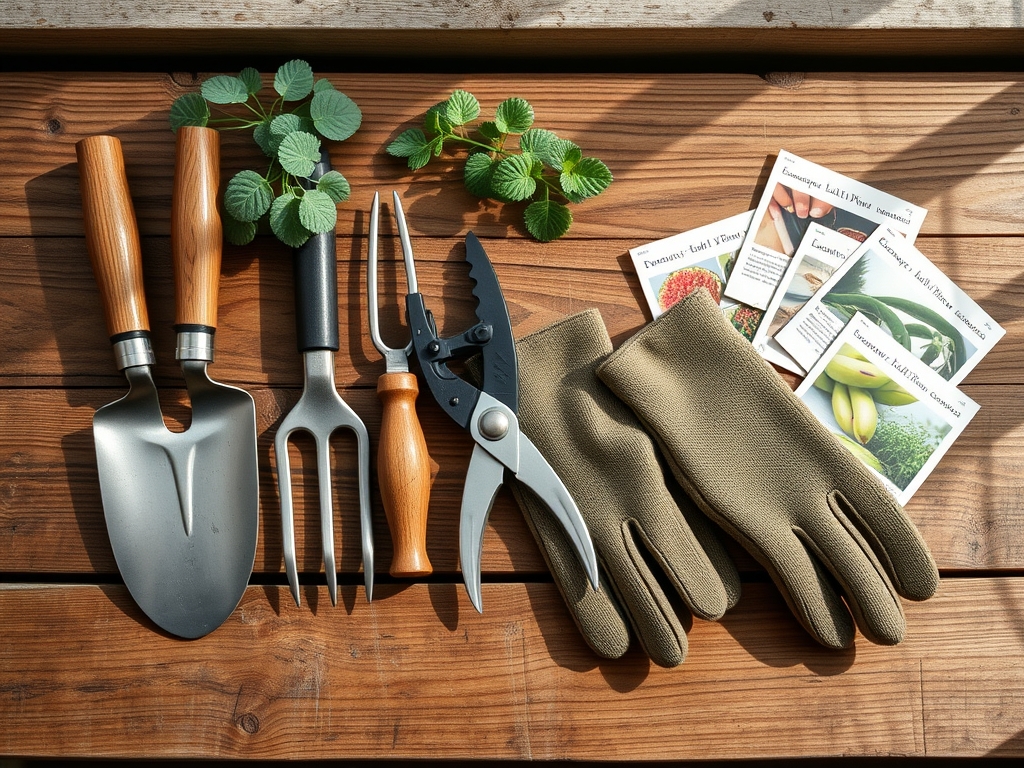
For nutritional support, utilize specific NPK ratios based on the plant's growth stage. A 10-10-10 balanced fertilizer works for general maintenance, but a 3-1-2 ratio is superior for foliage-heavy plants like Monstera or Ficus. Ensure the fertilizer contains micronutrients like Magnesium and Iron to prevent interveinal chlorosis. Use a digital soil moisture meter and a calibrated pH probe to ensure the root zone remains within optimal chemical parameters.
Timing:
While houseplants exist in controlled indoor environments, they remain tethered to the "Biological Clock" dictated by external photoperiods. Even in USDA Hardiness Zones 9 through 11, where indoor temperatures remain stable, plants enter a period of senescence or slowed metabolism during the winter months when daylight drops below 10 hours.
The transition from the vegetative stage to the reproductive or dormant stage alters the plant's water requirements. During the spring equinox, as light intensity increases, the transpiration rate accelerates. This is the critical window for intervention. If you are repotting to fix drooping, do so during the early morning hours of the active growing season to minimize transplant shock. Avoid heavy fertilization or radical pruning during the winter solstice, as the plant lacks the metabolic energy to repair vascular tissues.
Phases:
Sowing and Propagation
When starting from seed or cuttings, maintain a consistent soil temperature of 70 to 75 degrees Fahrenheit. Use a sterile seed-starting mix with low nutrient density to prevent osmotic burn on emerging radicles. High humidity (80 percent plus) is required to prevent desiccation before the root system establishes.
Pro-Tip: Utilize a rooting hormone containing Indole-3-butyric acid (IBA). This exogenous application mimics the plant's natural auxin production, stimulating rapid cell division at the basal node and ensuring a robust root-to-shoot ratio.
Transplanting
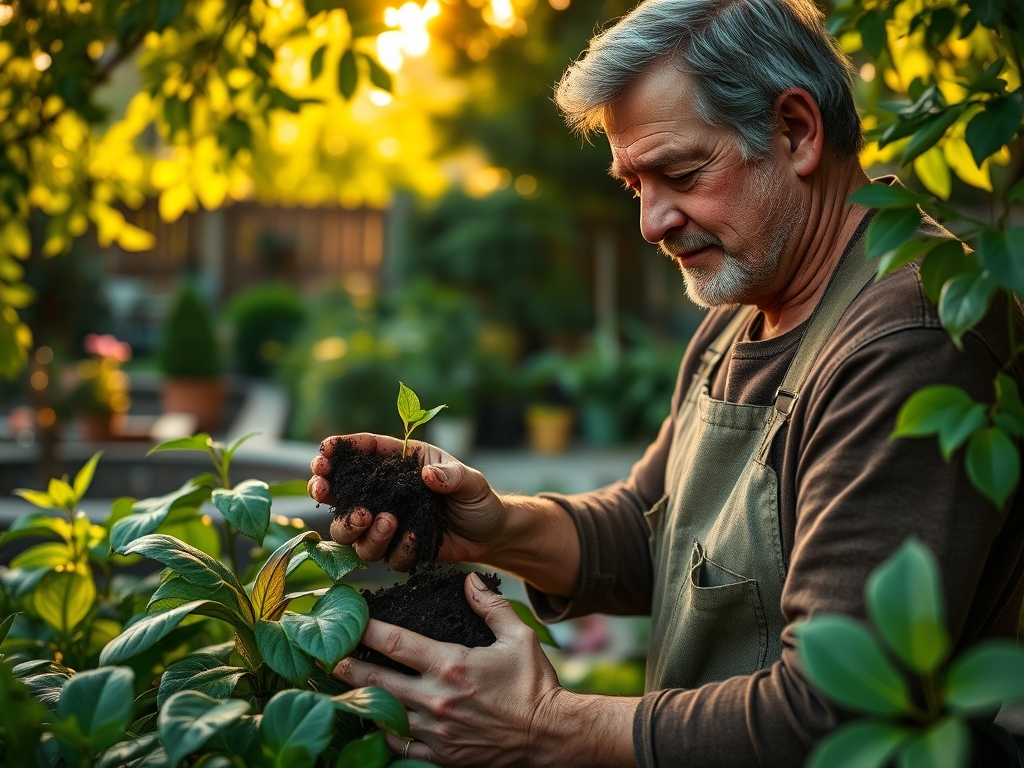
If drooping persists despite watering, the plant may be root-bound, leading to a "perched water table" where oxygen cannot reach the rhizosphere. Select a container only 2 inches wider than the current one. Use a hori-hori knife to gently tease out circling roots, encouraging lateral growth into the new substrate.
Pro-Tip: Inoculate the new soil with mycorrhizal fungi. This symbiotic relationship extends the root's reach by up to 100 times, significantly increasing the surface area for water absorption and phosphorus uptake.
Establishing
Once moved, the plant requires a "recovery period" in bright, indirect light (approximately 200 to 400 foot-candles). Do not fertilize for at least 14 days. This allows the root hairs to heal and establish contact with the new soil particles without the risk of salt accumulation.
Pro-Tip: Avoid moving the plant frequently. Frequent changes in light direction trigger phototropism, forcing the plant to expend metabolic energy reorienting its leaves, which can exacerbate drooping in weakened specimens.
The Clinic:
Physiological disorders often mimic one another. Use this diagnostic criteria to differentiate between common issues.
Symptom: Lower leaves are yellow and soft (Chlorosis).
Solution: This indicates overwatering or Nitrogen deficiency. Reduce watering frequency and check for "mushy" roots. If roots are firm, apply a high-nitrogen liquid fertilizer at half-strength.
Symptom: Leaf tips are brown and crispy.
Solution: Low humidity or salt buildup from tap water. Flush the soil with distilled water until it runs clear from the drainage holes. Increase ambient humidity to at least 50 percent.
Symptom: Sudden wilting despite wet soil.
Solution: Pythium or Phytophthora (Root Rot). Remove the plant from the pot, prune away black, slimy roots using sterilized bypass pruners, and repot in fresh, well-draining substrate.
Fix-It for Nutrient Deficiencies:
- Nitrogen (N): General yellowing. Apply 10-0-0 blood meal.
- Phosphorus (P): Purplish tint on undersides. Apply bone meal or a 5-10-5 starter.
- Potassium (K): Scorched leaf edges. Apply potassium sulfate to regulate stomatal opening.
Maintenance:
Precision is the difference between a surviving plant and a thriving one. Most tropical houseplants require approximately 1 to 1.5 inches of water per week, delivered directly to the soil surface rather than the foliage. Use a soil moisture meter to verify that the top 2 inches of soil are dry before re-watering.
For woody houseplants, use bypass pruners to remove dead or senescent tissue at a 45-degree angle just above a node. This directs growth energy to active meristems. Every six months, wipe leaves with a damp cloth to remove dust; dust layers can reduce photosynthetic efficiency by up to 30 percent. Monitor the ambient temperature, ensuring it does not fluctuate more than 10 degrees between day and night.
The Yield:
For flowering houseplants like Spathiphyllum or Anthurium, harvest spent blooms by cutting the peduncle at the base. This prevents the plant from diverting energy into seed production, a process known as "deadheading." If you are harvesting herbs like Ocimum basilicum (Basil), always cut above a leaf node to promote branching. To maintain "day-one" freshness for cut indoor flowers, place stems immediately into 40-degree Fahrenheit water with a pH of 3.5 to 4.0 to maximize water uptake through the xylem.
FAQ:
How do I know if I am overwatering or underwatering?
Check the soil texture and leaf feel. Underwatering results in dry, crispy leaves and soil that pulls away from the pot edges. Overwatering causes soft, yellowing leaves and a foul odor from the soil indicating anaerobic root decay.
What is the fastest way to fix a drooping plant?
If the soil is dry, perform a "bottom watering" by submerging the pot in 2 inches of water for 30 minutes. This allows capillary action to saturate the root ball entirely without bypassing the dry, hydrophobic pockets in the soil.
Can tap water cause my plants to droop?
Yes. Chlorine and fluoride in municipal water can accumulate in the leaf tips, causing necrosis and structural collapse. Use filtered or distilled water, or allow tap water to sit for 24 hours to let the gases dissipate before application.
Why is my plant drooping after I repotted it?
This is transplant shock. The fine root hairs responsible for water absorption are often damaged during the move. Place the plant in a high-humidity environment and keep it out of direct sunlight for 7 to 10 days to recover.