6 Easy Steps to Apply Frost Blankets
The first hard frost can destroy a season's work in a single night. Tender leaves blacken, cell walls rupture, and months of cultivation vanish by dawn. Learning the proper steps to apply frost blankets transforms this annual anxiety into a manageable protocol. These lightweight fabrics create a microclimate that traps radiant heat from the soil, often providing 4 to 8 degrees Fahrenheit of protection during critical temperature drops.
Materials
Successful frost protection requires specific tools and fabrics matched to your garden's needs. Select spunbonded polypropylene row covers in weights from 0.5 to 2.0 ounces per square yard. Heavier fabrics provide greater insulation but reduce light transmission by up to 30 percent. Purchase landscape staples or ground pins every 3 feet along perimeter edges. Include sandbags or smooth stones to anchor fabric without tearing delicate fibers.
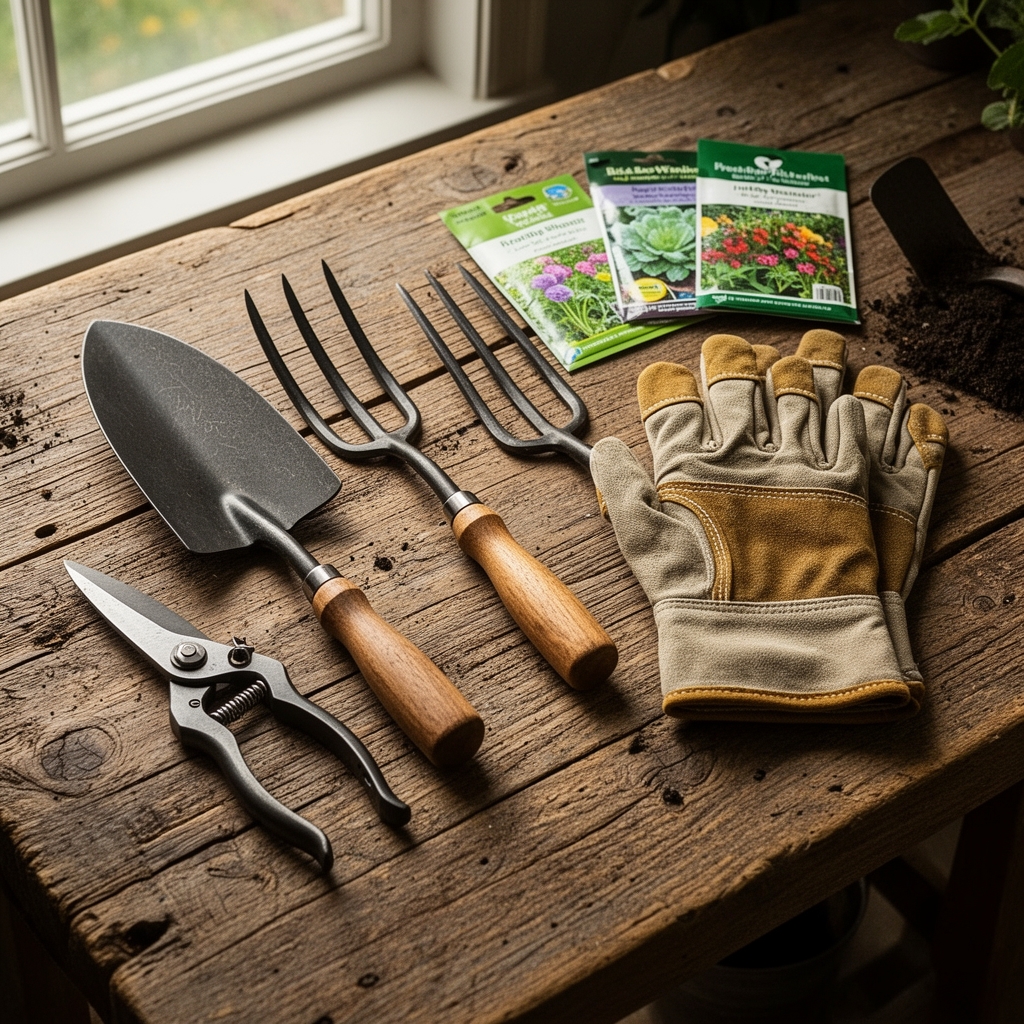
Prepare support structures before temperatures drop. PVC hoops, wire wickets, or bamboo stakes prevent fabric from touching foliage directly. Direct contact creates cold pockets where moisture condenses and freezes against leaf surfaces. For soil amendments that support cold-hardy growth, incorporate a balanced 4-4-4 organic meal into beds six weeks before first frost. This ratio supports gradual lignification of stems without promoting excessive late-season nitrogen growth. Adjust pH to 6.2-6.8 for optimal nutrient uptake during temperature stress. Higher cation exchange capacity in amended soils buffers against rapid temperature fluctuations in the root zone.
Timing
Frost blanket deployment depends on USDA Hardiness Zone and local microclimates. Zone 7 gardeners typically install blankets from mid-October through early April. Zone 8 requires coverage from late November to mid-March. Zone 9 installations occur only during rare cold snaps, usually January through early February.
Monitor soil temperature at 4-inch depth. When readings drop below 50 degrees Fahrenheit for three consecutive days, prepare support structures. Install blankets when evening air temperatures are forecast to reach 35 degrees Fahrenheit or below. Remove coverings when daytime temperatures exceed 50 degrees to prevent heat stress and etiolation. Auxin distribution becomes irregular in excessive warmth under fabric, causing weak, stretched growth.
Phases

Step 1: Site Assessment
Walk the garden perimeter at dusk to identify cold sinks and frost pockets. These low-lying areas lose heat rapidly through thermal radiation. Note prevailing wind direction. Position taller support structures on windward sides to create dead air space beneath fabric.
Pro-Tip: Apply a 2-inch layer of aged compost around plant bases. Decomposing organic matter generates measurable heat through microbial respiration, often raising soil temperature 3 to 5 degrees.
Step 2: Support Installation
Drive stakes or insert hoops 18 inches into soil, spacing them 4 feet apart along rows. Height should allow 6 to 8 inches of clearance above mature plant canopy. Mycorrhizal fungi colonization remains undisturbed when stakes avoid the root crown's immediate vicinity.
Pro-Tip: Angle stakes at 80 degrees rather than vertical. This geometry sheds wind more efficiently and reduces fabric flutter that abrades tender growth.
Step 3: Fabric Deployment
Unfold blankets during calm conditions to prevent tearing. Drape material over support structure, allowing 12 inches of excess on all sides to reach ground level. Work from windward to leeward side, letting fabric settle naturally over framework.
Pro-Tip: Pre-warm fabric indoors before installation. Room-temperature material traps existing soil heat more effectively than cold fabric, which initially acts as a heat sink.
Step 4: Securing Edges
Anchor perimeter using landscape staples every 36 inches. Create a soil seal by mounding 3 inches of earth over fabric edges. This thermal barrier prevents cold air infiltration at ground level where freeze damage initiates.
Step 5: Ventilation Monitoring
Check beneath blankets every 48 hours during extended coverage periods. Excess humidity encourages Botrytis and other fungal pathogens. Roll back edges for 2 hours mid-morning if condensation exceeds light moisture film.
Pro-Tip: Install a min-max thermometer beneath fabric. Data tracking reveals actual protection levels and informs future installation timing.
Step 6: Strategic Removal
Uncover plants gradually. Roll back north-facing edges first, allowing 30 minutes of adjustment before complete removal. This prevents thermal shock to chloroplasts adapted to reduced light levels.
Troubleshooting
Symptom: Brown leaf margins despite blanket coverage.
Solution: Fabric contacted foliage directly. Raise support structures and increase clearance to 8 inches minimum.
Symptom: Elongated, pale stems after week-long coverage.
Solution: Insufficient light penetration caused etiolation. Switch to 0.5-ounce weight fabric for extended installations.
Symptom: Mold growth on lower leaves.
Solution: Poor air circulation trapped humidity. Create 6-inch ventilation gaps on leeward edge during daytime temperatures above 40 degrees.
Symptom: Wind damage despite secured edges.
Solution: Add intermediate anchor points. Increase staple frequency to every 24 inches in exposed locations.
Maintenance
Water soil to 1 inch depth before installing frost blankets. Moist soil retains and releases heat more effectively than dry substrates. Avoid overhead irrigation once blankets are in place. Apply fish emulsion at half-strength (1 tablespoon per gallon) every 14 days during extended coverage to maintain photosynthetic capacity under reduced light.
Inspect fabric weekly for tears or UV degradation. Repair holes exceeding 1 inch diameter with purpose-made patches. Replace blankets showing more than 20 percent opacity loss, as compromised material reduces thermal protection significantly.
FAQ
When should I apply frost blankets?
Install when evening temperatures will drop to 35 degrees Fahrenheit or below. Deploy 2 hours before sunset for maximum effectiveness.
Can I leave frost blankets on all winter?
Remove during warm spells above 50 degrees Fahrenheit. Extended coverage reduces photosynthesis and weakens plant structure.
What's the difference between frost blankets and plastic sheeting?
Spunbonded polypropylene breathes, preventing humidity buildup. Plastic traps moisture and requires daily ventilation management.
How many degrees of protection do frost blankets provide?
Expect 4 to 8 degrees Fahrenheit protection depending on fabric weight, installation method, and wind conditions.
Do I need to water plants under frost blankets?
Check soil moisture weekly. Water needs decrease 40 percent under cover due to reduced evapotranspiration.