10 Simple Ways How to Stop Curling Plant Leaves
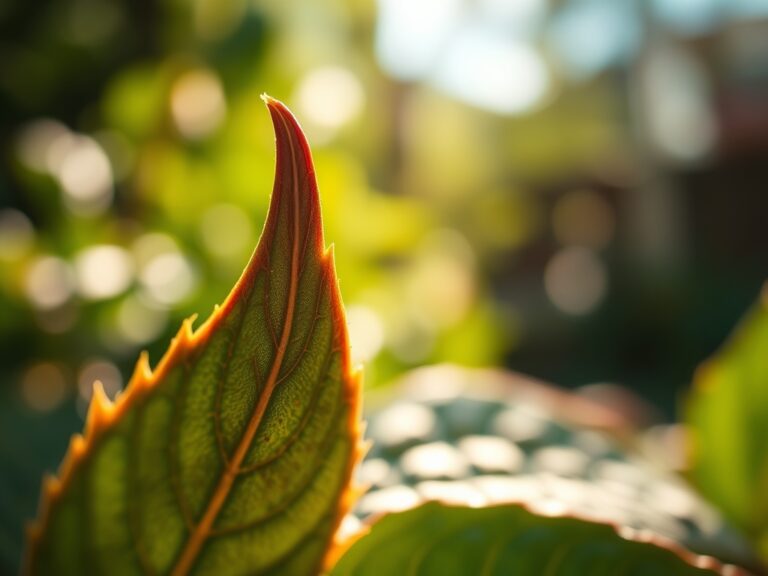
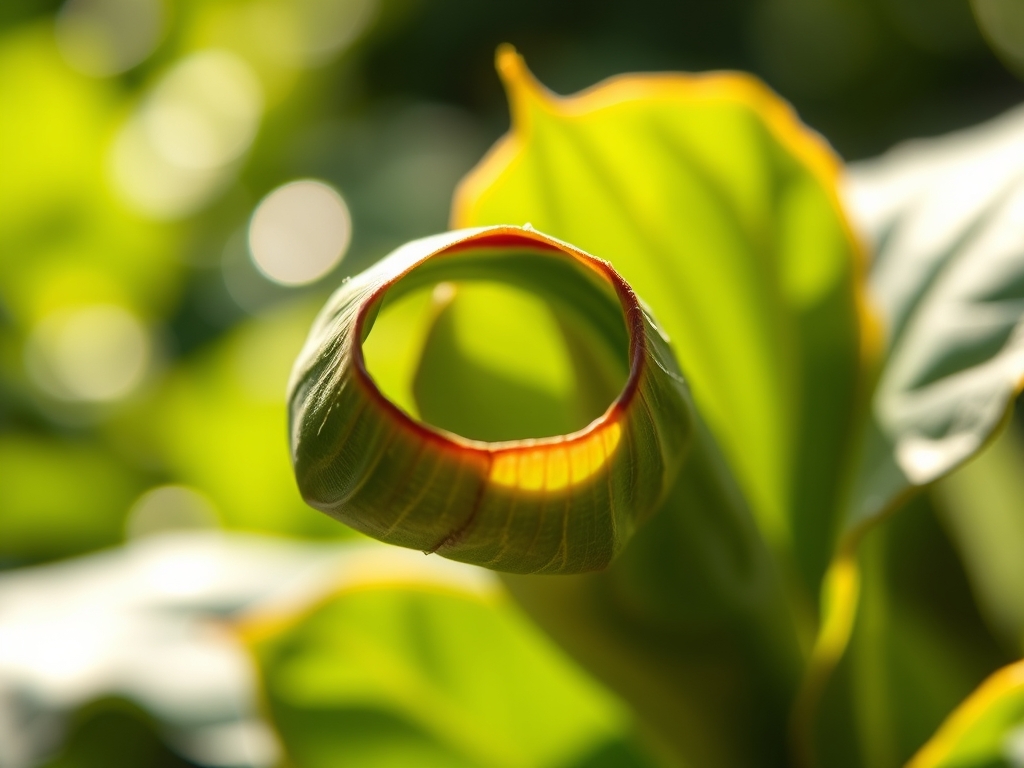
Turgor pressure is the engine of plant architecture; it is the internal hydrostatic force that keeps a leaf blade flat and efficient for photosynthesis. When that pressure fails, the cellular walls collapse or distort, resulting in the characteristic inward or outward rolling seen in stressed specimens. Learning how to stop curling plant leaves requires a shift from superficial observation to a rigorous analysis of the rhizosphere and atmospheric conditions. You must recognize the smell of anaerobic soil, which signals root rot, or the brittle texture of a leaf suffering from excessive transpiration. A healthy leaf should feel cool to the touch and firm between the fingers, indicating that the xylem is successfully transporting water from the roots to the margins. Curling is not merely an aesthetic flaw; it is a physiological defense mechanism or a symptom of systemic failure. By the time a leaf edges turn brown and crisp, the plant has already begun diverting energy away from growth to survive. Correcting this requires precise intervention based on soil chemistry and environmental physics.
Materials:
Successful remediation begins with the substrate. You need a **friable loam** that maintains a high **Cation Exchange Capacity (CEC)** to ensure nutrients remain available at the root interface. For most vascular plants, aim for a **soil pH between 6.2 and 6.8**. Use the following NPK ratios based on the specific growth stage to prevent nutrient-induced curling:
- Vegetative Phase: A high-nitrogen formula like 10-5-5 to support leaf expansion.
- Flowering/Fruiting Phase: A phosphorus-heavy 5-10-10 to prevent energy diversion from the foliage.
- Correctional Phase: A balanced 10-10-10 water-soluble fertilizer to address broad deficiencies.
The physical substrate must contain 20 percent perlite or coarse sand to facilitate drainage. This prevents the "wet feet" syndrome where lack of oxygen in the root zone causes downward leaf cupping.
Timing:
The window for intervention is dictated by the USDA Hardiness Zones and the plant's internal biological clock. In Zones 5 through 7, the risk of physiological curling increases during the rapid temperature fluctuations of late spring. Monitor your plants closely when the photoperiod exceeds 12 hours, as increased light intensity accelerates transpiration rates.
The transition from the vegetative to the reproductive stage is a critical juncture. During this shift, the plant's demand for potassium increases. If the soil lacks sufficient ions, the plant will pull mobile nutrients from older leaves to support new flowers, causing the lower foliage to curl and yellow. Always time your heavy irrigation for the early morning, specifically between 5:00 AM and 8:00 AM, to ensure the plant is fully hydrated before the heat of the day triggers the stomata to close.
Phases:

Sowing and Seedling Development
The foundation of leaf health starts at germination. Maintain a consistent soil temperature of 65 to 75 degrees Fahrenheit. Seedlings are prone to "leaf roll" if the humidity drops below 40 percent, as their shallow root systems cannot keep up with moisture loss.
Pro-Tip: Focus on auxin suppression. If light levels are too low, the plant produces excess auxins in the shaded side of the stem, causing uneven growth and curling. Ensure a minimum of 2,000 lumens per square foot to keep growth compact and symmetrical.
Transplanting
Moving a plant into a new environment causes immediate "transplant shock," often manifested as wilting or curling. The goal is to minimize damage to the fine root hairs that facilitate water uptake.
Pro-Tip: Utilize mycorrhizal symbiosis. Dusting the root ball with endomycorrhizal fungi increases the surface area for water absorption by up to 100 times. This biological partnership ensures the plant maintains turgor pressure during the critical first 72 hours in a new site.
Establishing the Canopy
Once the plant is established, the focus shifts to maintaining the rhizosphere. The root system must be deep enough to access moisture during dry spells.
Pro-Tip: Understand phototropism. Plants will naturally curve their leaves toward the strongest light source. To stop curling plant leaves that are healthy but distorted, rotate containers 90 degrees every week to ensure even distribution of photons across the entire leaf surface.
The Clinic:
When leaves begin to distort, use this diagnostic framework to identify the physiological cause.
Symptom: Upward curling with "cupping" at the edges.
Solution: This is often Heat Stress. When the ambient temperature exceeds 90 degrees Fahrenheit, the plant curls to reduce the surface area exposed to the sun. Provide 30 percent shade cloth and increase airflow to lower the leaf surface temperature.
Symptom: Downward curling with dark green, brittle texture.
Solution: This indicates Nitrogen Toxicity. Excessive nitrogen causes rapid cellular expansion that the vascular system cannot support. Flush the soil with three gallons of water per gallon of container volume to leach out excess nitrates.
Symptom: New growth is twisted, hooked, or "clawed."
Solution: This is a Calcium Deficiency. Calcium is immobile within the plant; if it is not available in the soil solution, new cells cannot form strong walls. Apply a calcium-magnesium (Cal-Mag) supplement or liquid lime to stabilize the pH and provide essential ions.
Fixing Nitrogen Chlorosis: If leaves are curling and turning pale green or yellow starting from the bottom, apply a high-nitrogen foliar spray for immediate uptake while amending the soil with blood meal for long-term stability.
Maintenance:
Precision is the hallmark of a professional horticulturist. Use a soil moisture meter to verify that the root zone is at a level 4 or 5 before adding water. Most established garden plants require exactly 1.5 inches of water per week delivered at the drip line, not the base of the stem. This encourages the roots to grow outward and stabilize the plant.
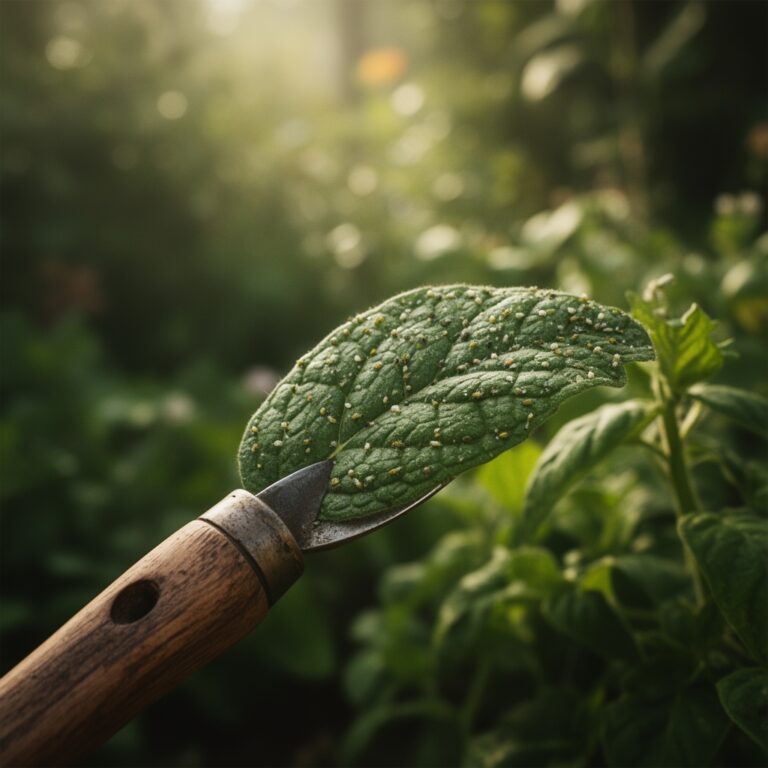
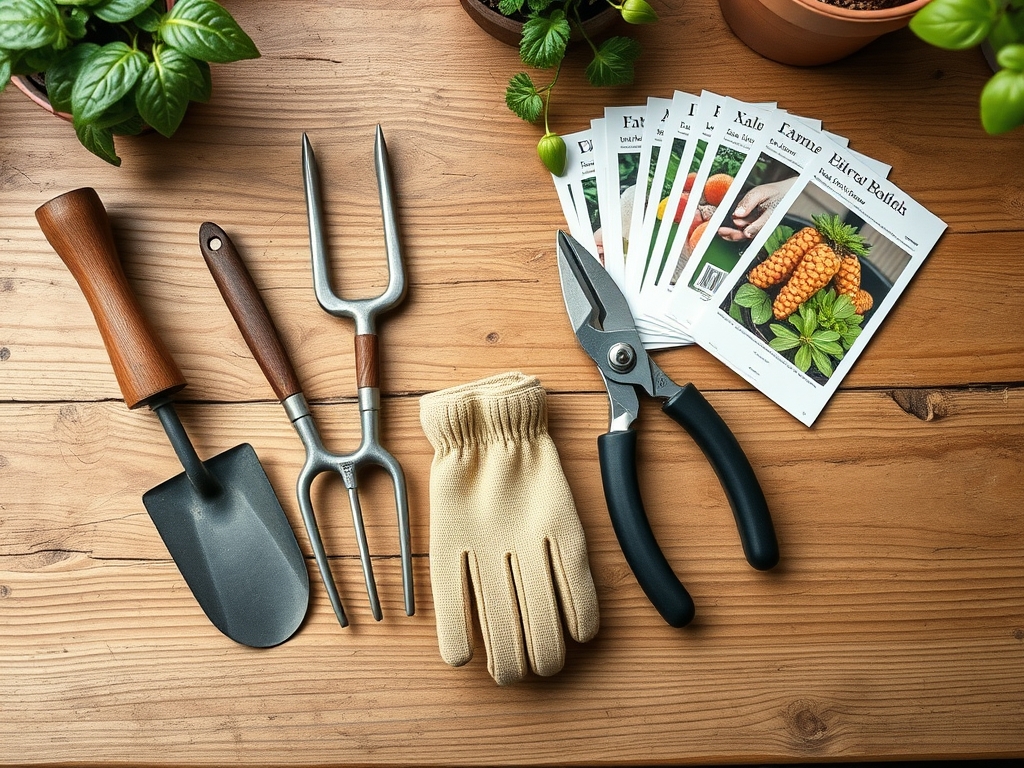
When pruning to remove damaged or curled foliage, use sharp bypass pruners to make clean cuts at a 45-degree angle above a node. This prevents "die-back" where pathogens can enter the vascular system. For weeding near the root zone, use a hori-hori knife to slice through taproots without disturbing the delicate lateral roots of your primary plants. Keeping the area clear of competing vegetation ensures that all available nutrients and water are reserved for your crop.
The Yield:
For those growing edibles or flowers, the health of the leaf directly correlates to the quality of the harvest. Harvest leafy greens when the dew point is high in the early morning. Use a sharp blade to harvest, and immediately submerge the stems in 40-degree Fahrenheit water to lock in turgor pressure.
For fruiting plants, the "yield" is protected by the leaves. If you have successfully stopped curling, the broad leaves will provide a natural canopy that prevents sunscald on the fruit. Post-harvest, prune away one-third of the older foliage to allow the plant to focus its remaining energy on root storage for the following season. This process of managed senescence ensures the plant remains viable through the winter.
FAQ:
How do I know if curling is caused by overwatering?
Check the soil two inches deep. If it feels muddy and the leaves are soft or yellowing, the roots are suffocating. Overwatered leaves typically curl downward and feel heavy rather than brittle.
Can low humidity cause leaves to curl?
Yes. When the air is too dry, the plant loses water faster than the roots can replace it. This causes the leaf margins to curl inward to protect the stomata. Maintain humidity above 50 percent for tropical species.
Does light intensity affect leaf shape?
Excessive light causes "photo-inhibition." The plant curls its leaves to hide the chlorophyll-rich centers from UV damage. If you see curling on the top leaves only, move the light source further away or provide filtered shade.
Will curled leaves ever flatten out again?
If the cause is water stress or heat, the leaves often recover within hours of treatment. However, if the curling was caused by a nutrient deficiency that damaged the cell walls, those specific leaves will remain distorted.