10 Natural Ways How to Remove Aphids Indoors
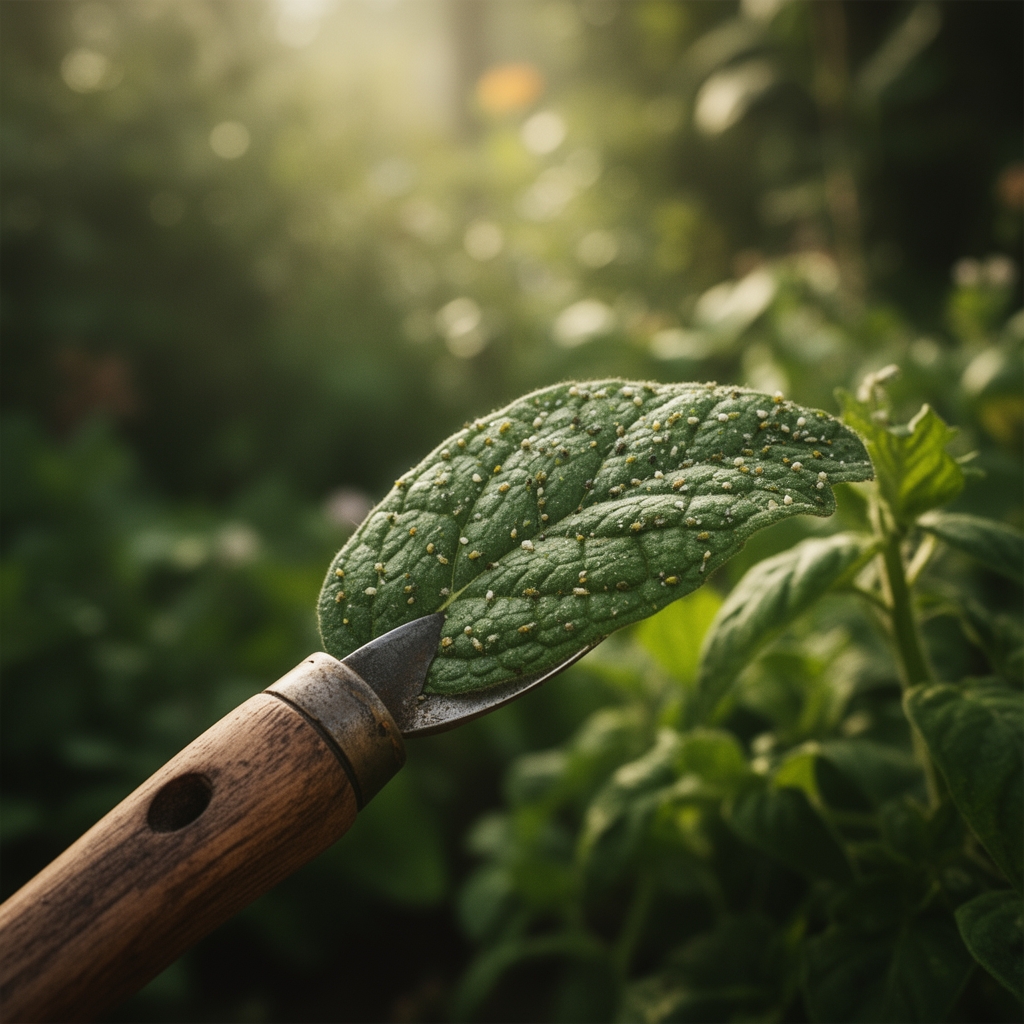
Aphid infestations inside a home or greenhouse create sticky residue on leaves, weakened stems, and stunted growth that can devastate tropical houseplants and winter seedlings within days. Learning how to remove aphids indoors requires understanding their 7-to-10-day reproductive cycle and applying mechanical, biological, or botanical controls before populations explode. Indoor environments lack natural predators, so intervention must be swift and systematic. A single aphid can produce 80 offspring in one week under optimal conditions of 65-75°F and moderate humidity.
Materials
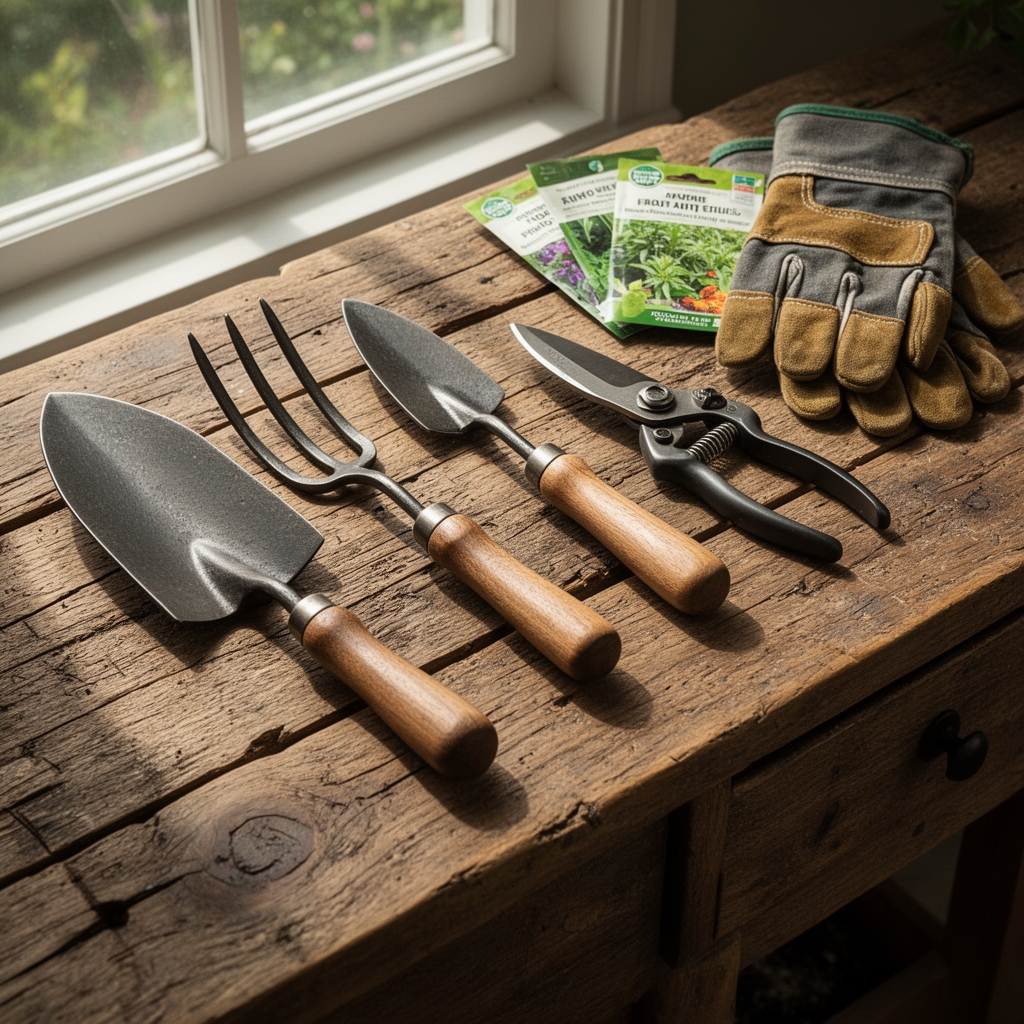
Physical removal tools: High-pressure spray bottle (minimum 40 psi), cotton swabs, painter's tape for capturing adults, and microfiber cloths dampened with distilled water.
Botanical preparations: Neem oil (azadirachtin content above 1,500 ppm), insecticidal soap with potassium salts of fatty acids at 1-2% concentration, and garlic extract (minimum 10% allicin by weight). These introduce no synthetic residues and break down within 48 hours under indoor lighting.
Biological agents: Aphidius colemani parasitic wasps (release rate: 0.5-1 per infested plant), Chrysoperla rufilabris lacewing larvae (2-5 larvae per square foot of canopy), and Adalia bipunctata ladybugs (10 adults per moderately infested specimen). Store biological controls at 45-50°F until deployment.
Nutrient amendments: Organic kelp meal (1-0.1-2 NPK) to boost auxin production and thicken cell walls. Avoid high-nitrogen synthetic fertilizers (10-5-5 or higher) that encourage succulent tissue growth and attract aphids through elevated amino acid concentrations in phloem sap.
pH modifiers: Dilute apple cider vinegar solution (1 tablespoon per quart of water, final pH 6.2-6.5) discourages aphid feeding by altering leaf surface acidity. Test with a calibrated digital pH meter before application.
Timing
Indoor aphid removal can occur year-round, but infestations peak during late winter (USDA Hardiness Zones 3-7) when indoor heating reduces humidity below 40% and plants enter semi-dormancy with reduced immune function. In Zones 8-10, aphids migrate indoors during summer when outdoor temperatures exceed 90°F.
Early detection window: Inspect leaf undersides and growing tips every 3 days during the plant's active growth phase. Aphids cluster near apical meristems where auxin concentrations are highest and vascular flow is most nutrient-dense.
Optimal intervention period: Treat at first sighting, ideally when colony size remains under 20 individuals. Once populations exceed 100 aphids per plant, honeydew secretion accelerates and sooty mold colonization begins within 72 hours.
Phases
Initial Removal
Isolate infested plants immediately to prevent ant-aphid mutualism and adult dispersal. Position affected specimens in a separate room with independent air circulation. Use painter's tape wrapped sticky-side-out around stem bases to trap crawling ants that farm aphid colonies for honeydew.
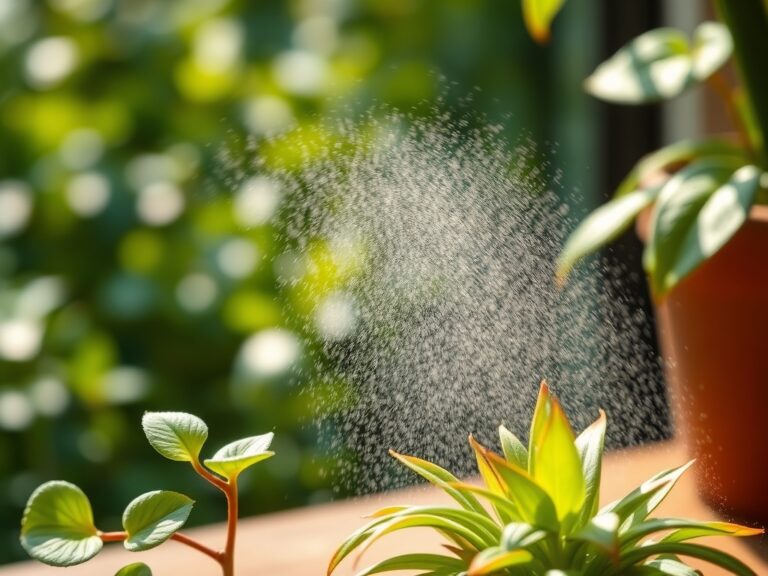
Spray leaf surfaces with water at 50-60 psi, angling the nozzle 45 degrees upward to dislodge aphids from leaf undersides. Repeat every 12 hours for 3 consecutive days. Water force disrupts cuticle attachment without damaging stomatal complexes.
Pro-Tip: Add 1 drop of unscented dish soap per quart of spray water to reduce surface tension. This allows water to penetrate the waxy epicuticular layer and suffocate aphids through spiracle blockage.
Botanical Application
Mix neem oil at 2 tablespoons per gallon of water with an emulsifier (1 teaspoon liquid castile soap). Spray until runoff occurs, ensuring coverage of petiole axils and stem joints where aphids shelter. Neem's azadirachtin disrupts ecdysone synthesis, preventing nymphs from molting to reproductive adults.
Apply insecticidal soap every 5-7 days for 3 weeks. Potassium salts dissolve aphid cuticles on contact but require direct coverage. Spray during early morning when stomata are open but before photosynthetically active radiation exceeds 200 μmol/m²/s to prevent phytotoxicity.
Pro-Tip: Rotate neem and soap applications to prevent resistance development. Aphids can adapt to single-mode pesticides within 4-6 generations (approximately 6 weeks under indoor conditions).
Biological Introduction
Release Aphidius colemani wasps at 68-72°F when aphid populations stabilize at 10-30 individuals per plant. These parasitoids oviposit inside aphid bodies, creating mummified "aphid shells" within 10 days. Maintain relative humidity at 60-70% to support wasp emergence.
Introduce lacewing larvae at dusk. Each larva consumes 200-300 aphids during its 2-3 week development period. Larvae are photophobic and hunt most actively under low-light conditions below 50 foot-candles.
Pro-Tip: Provide supplemental food for biological controls. Spray a light mist of diluted honey water (1:10 ratio) on non-infested foliage to sustain adult wasps when aphid populations decline. This extends predator residency and prevents re-infestation.
Troubleshooting
Symptom: Aphids return within 1 week of treatment.
Solution: Check for ant activity. Ants protect aphids from predators in exchange for honeydew. Apply food-grade diatomaceous earth in a 2-inch barrier around pot bases to sever the mutualism.
Symptom: Leaf curling persists after aphid removal.
Solution: Aphid saliva contains auxin analogs that cause permanent tissue deformation. Prune affected leaves at a 60-degree angle 1/4 inch above the nearest node to redirect carbohydrate resources to healthy growth.
Symptom: Sooty mold appears on leaf surfaces.
Solution: Wipe leaves with a 1:1 solution of isopropyl alcohol and water. The alcohol dissolves fungal hyphae and evaporates within minutes without harming photosynthetic tissue.
Symptom: Biological controls fail to establish.
Solution: Test indoor temperature fluctuations. Predatory insects become inactive below 60°F and above 85°F. Maintain a stable thermal environment with variation under 8 degrees Fahrenheit per 24-hour period.
Symptom: White cast skins accumulate on leaves.
Solution: These exuviae indicate active molting. Increase spray frequency to every 2-3 days during this vulnerable stage when nymphs lack fully formed cuticles.
Maintenance
Water plants when the top 1 inch of growing medium feels dry to the touch. Overwatering creates anaerobic root conditions that suppress mycorrhizal fungi associations and reduce plant immune response. Aim for substrate moisture content of 40-60% by volume, measured with a tensiometer.
Apply foliar kelp spray at 1 tablespoon per gallon of water every 14 days. Kelp's cytokinin content stimulates stomatal closure and increases cuticle thickness by up to 30%, creating a physical barrier against aphid stylet penetration.
Prune heavily infested stems at least 2 inches below visible aphid colonies. Sterilize pruning shears with 70% isopropyl alcohol between cuts to prevent pathogen transmission. Dispose of clippings in sealed plastic bags, not compost bins where aphids can overwinter.
Monitor light intensity with a PAR meter. Maintain 200-400 μmol/m²/s for foliage plants and 400-600 μmol/m²/s for fruiting species. Adequate light supports robust cell wall synthesis and increases levels of defensive compounds like flavonoids and phenolics that deter aphid feeding.
Test cation exchange capacity of potting mix annually. A CEC of 10-20 meq/100g ensures optimal calcium uptake, which strengthens middle lamella between plant cells and reduces tissue palatability to piercing-sucking insects.
FAQ
How long does it take to eliminate aphids indoors completely?
With consistent treatment, populations collapse within 10-14 days. However, eggs and newly hatched nymphs require 3 weeks of monitoring to ensure total eradication, as some eggs remain viable in soil for up to 21 days at 60-70°F.
Can I use neem oil on all houseplants?
Test on a small leaf section first. Ferns, palms, and succulents with waxy coatings may show phytotoxicity (brown spots or leaf drop) within 24-48 hours. Avoid application on African violets, fuchsias, and carnivorous plants.
Do yellow sticky traps catch aphids effectively?
Yellow traps capture winged adult aphids during dispersal but miss 80-90% of wingless nymphs. Use traps as monitoring tools to detect initial infestations, not as primary control methods.
Will diatomaceous earth kill aphids on contact?
DE works only on crawling insects with exoskeletons that contact the powder directly. Dust lightly around stem bases and soil surfaces. It loses efficacy when wet, so reapply after watering.
Should I discard severely infested plants?
If aphid populations exceed 500 per plant or sooty mold covers more than 40% of leaf surface area, disposal prevents spread to healthy specimens. Bag the entire plant and dispose in municipal waste, not yard waste collection.